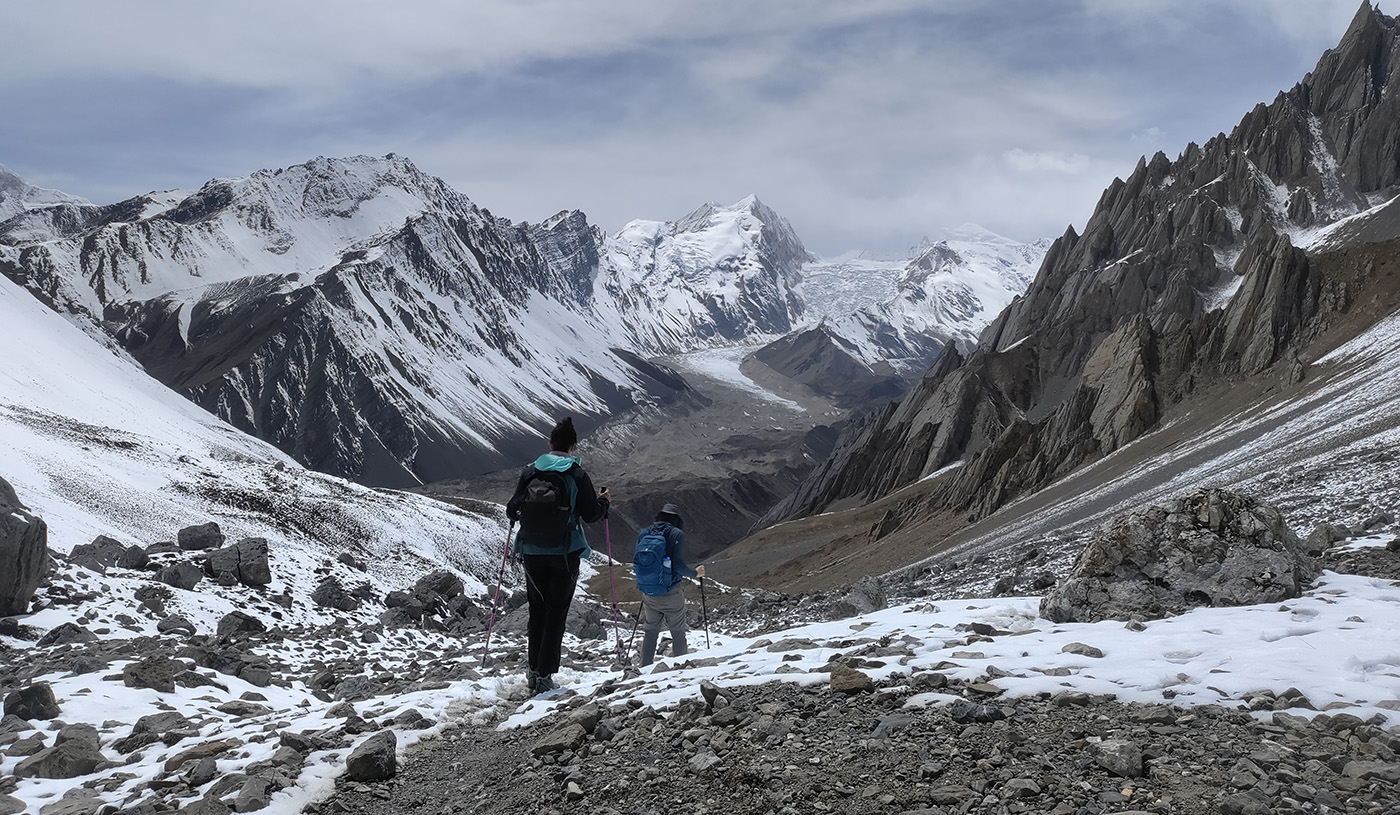
Current Situation in Nepal’s Trekking Regions
Alerts, Advice & What You Should Know
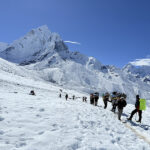
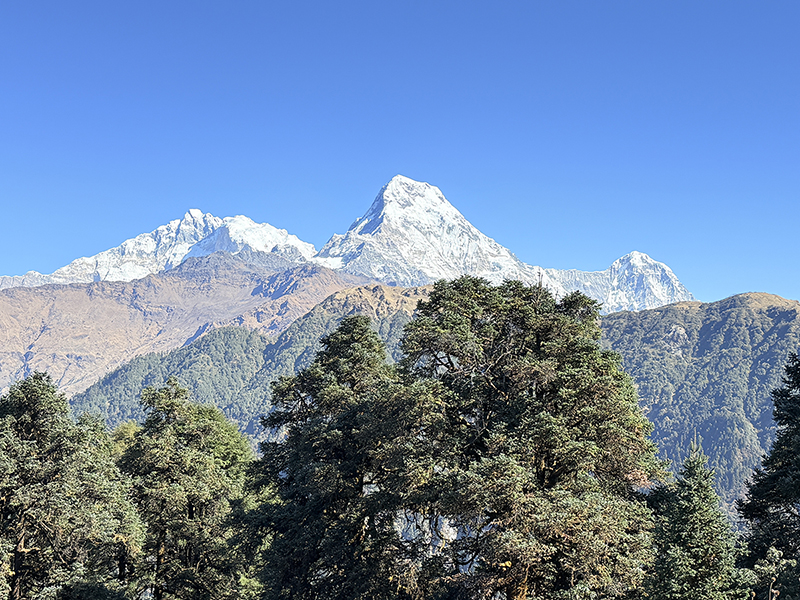
Nepal is currently facing significant weather disruptions across its high-altitude trekking regions. A powerful weather system—Cyclone Montha—has brought heavy snowfall and rain into major areas including Annapurna Base Camp (ABC), Manaslu, Mustang and the Everest Region.
-
Trails in the Annapurna and Manaslu regions have been temporarily closed due to snow accumulation and avalanche risk.
-
Hundreds of trekkers were stranded or required rescue: for example, 162 tourists were evacuated from the Annapurna area after getting caught in snow-bound terrain.
-
The national tourism board issued an urgent advisory to trekkers, mountaineers and tour operators to exercise extreme caution and stay up to date with forecasts.
1. Key Warnings for Trekkers & Tour Operators
To stay safe during this period, consider the following warnings:
-
Avoid high-altitude passes and routes that are exposed to heavy snow and avalanche risk.
-
Be prepared for trail closures or sudden changes: even if you’re already on the trail, conditions may force you to turn back.
-
Visibility and weather can change rapidly: storms, whiteouts and snow accumulation may make routes impassable.
-
Ensure you have a credible local guide and agency support: independent trekking in such conditions is especially risky.
-
Keep equipment and supplies ready for delays: warm clothing, waterproof layers, extra food and backup communications matter.
-
Avoid camping near unstable slopes or in avalanche-prone zones.
2. Suggested Actions & Precautions
As a traveller or tour operator, here’s what you should do right now:
-
Monitor official weather bulletins from the Department of Hydrology and Meteorology (DHM) and the Nepal Tourism Board.
-
Stay flexible with your itinerary: be ready to delay a departure, shorten a trek, or change route if necessary.
-
Prioritise lower-altitude alternatives or postpone high passes until conditions stabilise.
-
Work with local guides who have real-time awareness of trail status and weather changes.
-
Ensure all clients/travellers have travel insurance that covers altitude, delays, evacuation and adverse weather conditions.
-
If you’re already on a trek and conditions worsen: don’t push on. Descend to a safer lodge or town, await clearance.
3. Why This Matters Now
This kind of severe weather event is unusual for this trekking season – the convergence of Cyclone Montha’s moisture with cold upper winds has packed snow at lower altitudes than usual. For trekking and tourism operators, this means elevated risk of delays, rescues, unpredictable conditions and greater burden on support infrastructure.
4. What Tour Operators Should Communicate to Travellers
If you’re running tours in Nepal at present, make sure your pre-departure material and on-ground briefings cover:
-
The possibility of route changes, closures, or additional cost/time due to weather.
-
The importance of acting on the guide’s instructions and avoiding solo “side hikes”.
-
Packing lists emphasising warm, waterproof gear, and layered clothing.
-
The contact plan: who is the local guide, what’s the emergency number, how is communication maintained.
-
That “the mountain will always be there”, so postponement or adjustment is not failure – it’s prudent planning.
5. Final Thought
Nepal’s Himalayas remain one of the most inspiring regions on Earth — but they demand respect, especially in unstable weather. For trekkers and operators alike, this moment is a reminder that our schedules are secondary to safety and adaptability. If you’re planning a trek now (or soon), prioritise reliable guidance, stay alert to conditions, and be ready to adjust your plans. The journey is still amazing — just approach it with extra caution.
Recent Posts