Remote Area Treks in Nepal
Remote Area Treks in Nepal – Explore the Untouched Wilderness of the Himalayas
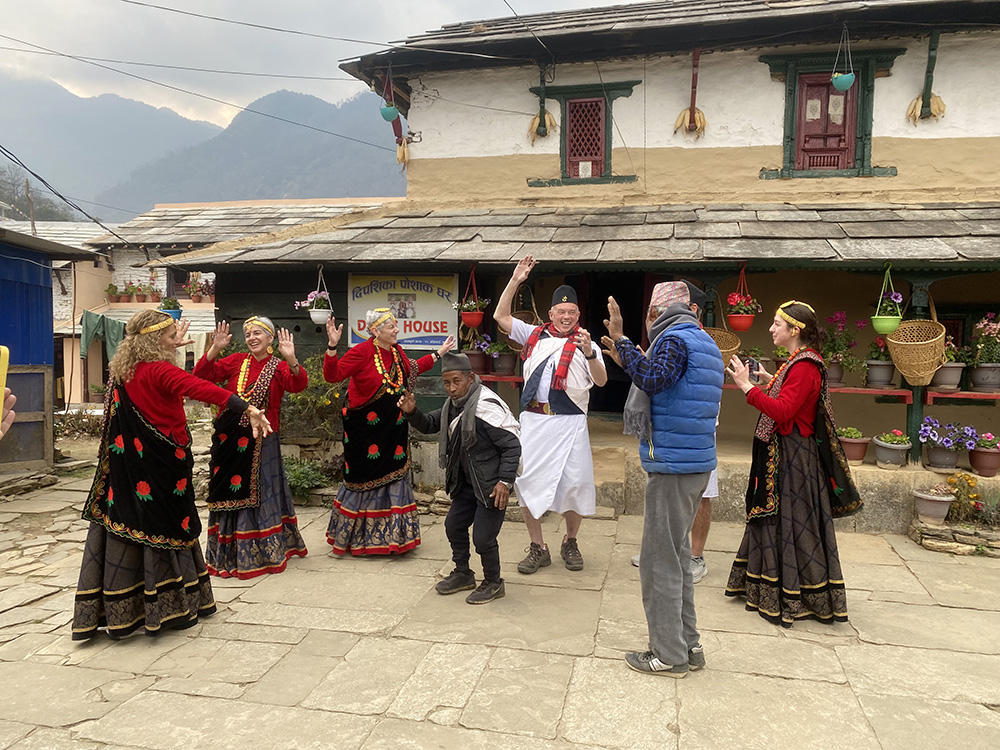
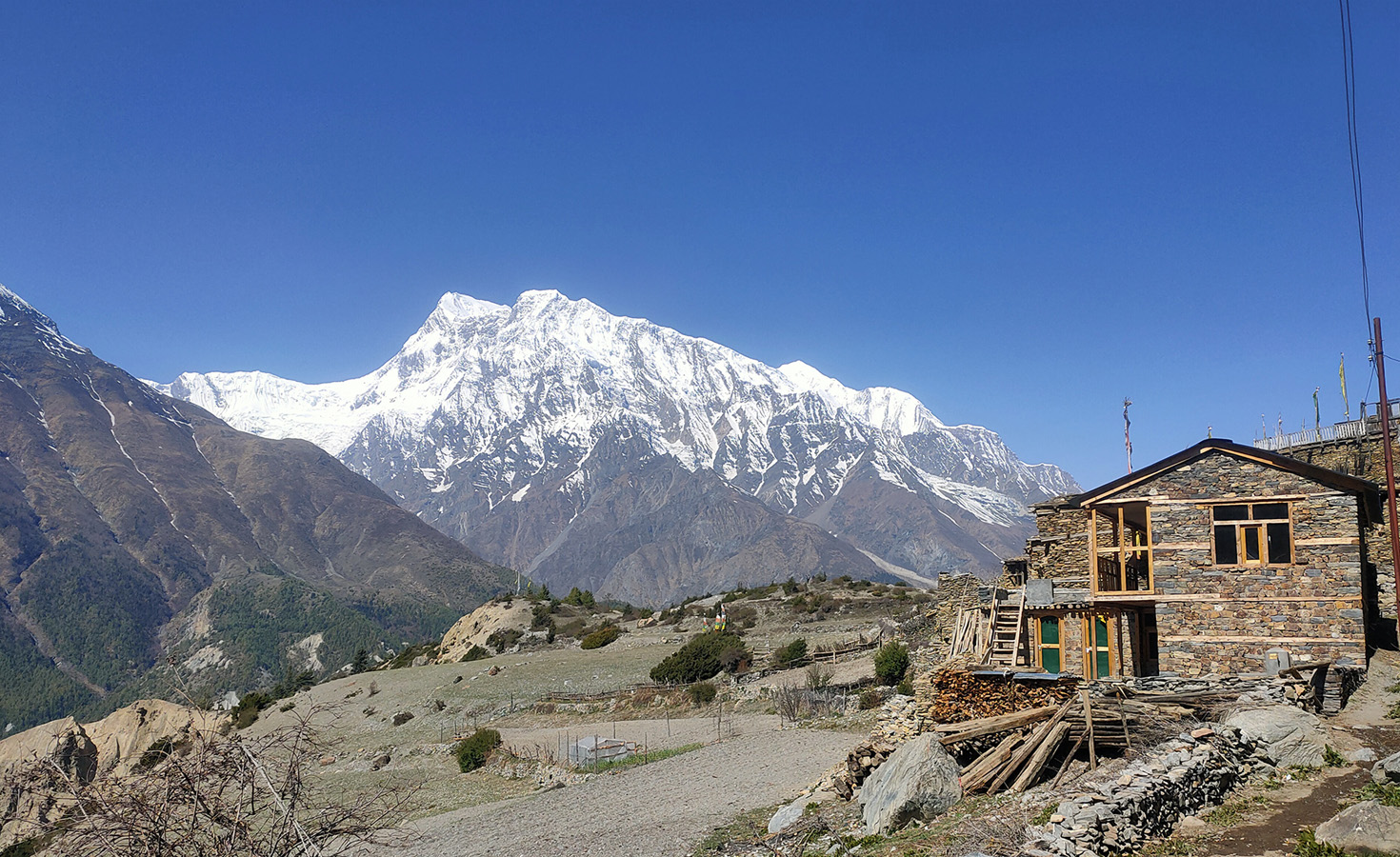
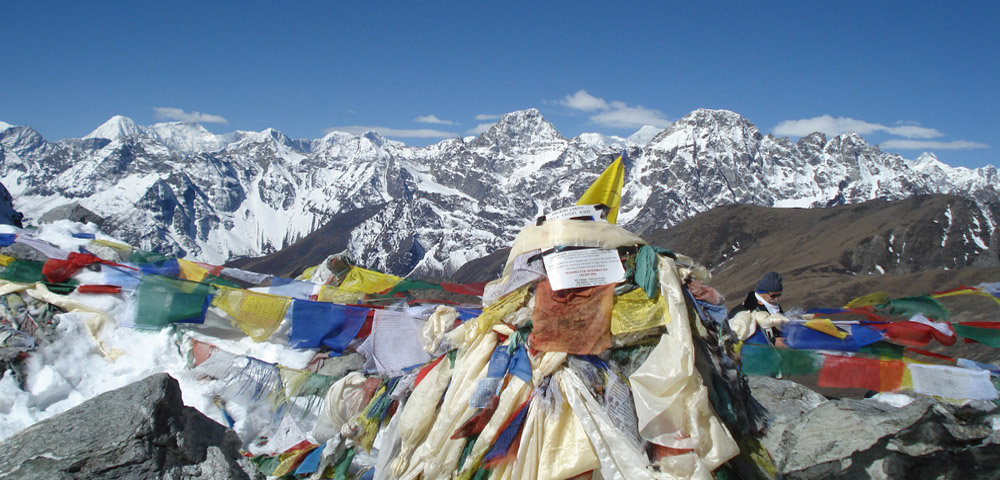
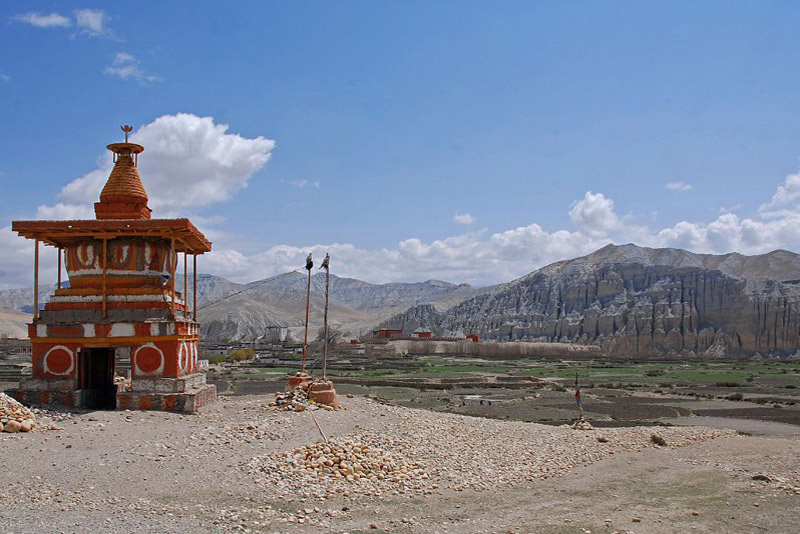
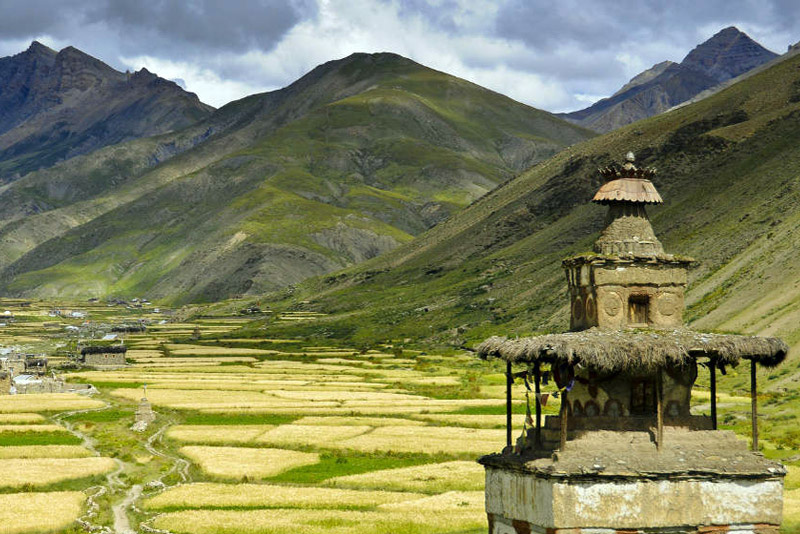
Remote area treks in Nepal cover regions like Upper Dolpo, Tsum Valley, Kanchenjunga, Nar Phu, Humla, Makalu-Barun, and the Dhaulagiri Circuit, each one a completely different world in terms of landscape, culture, and atmosphere. Some of these valleys were closed to foreigners until the early 2000s. A few opened even more recently. The trails here don’t follow manicured routes lined with lodges serving pasta and Wi-Fi. They cut through old-growth forests, across high passes above 5,000 meters, into stone villages where yak herding and barley farming are still the primary economy, and along ancient trade routes that once connected Nepal’s interior to Tibet.
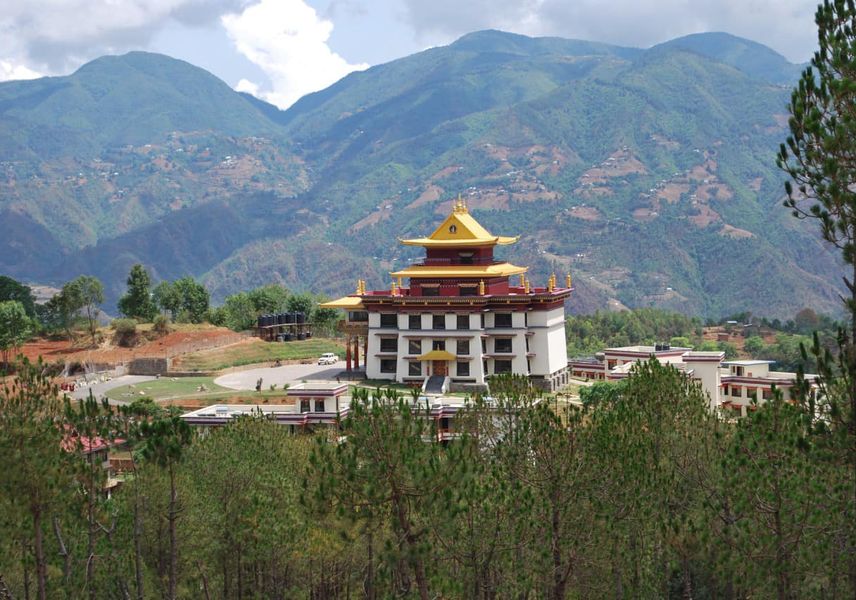
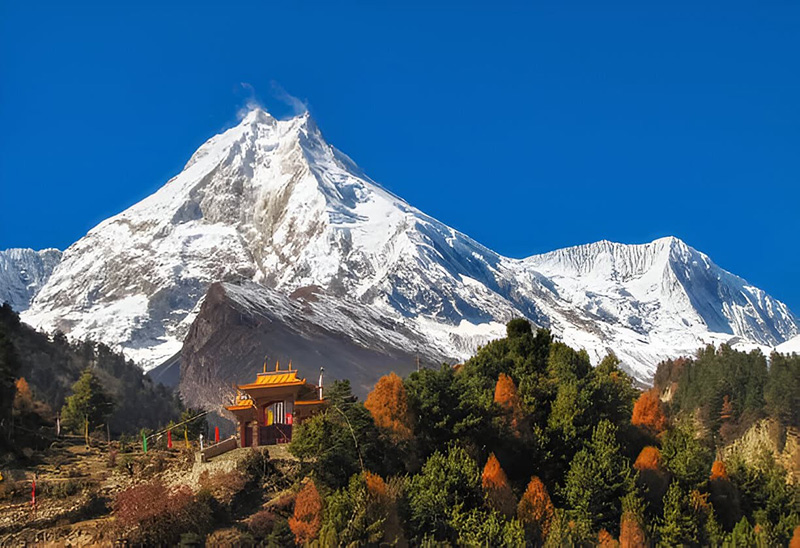
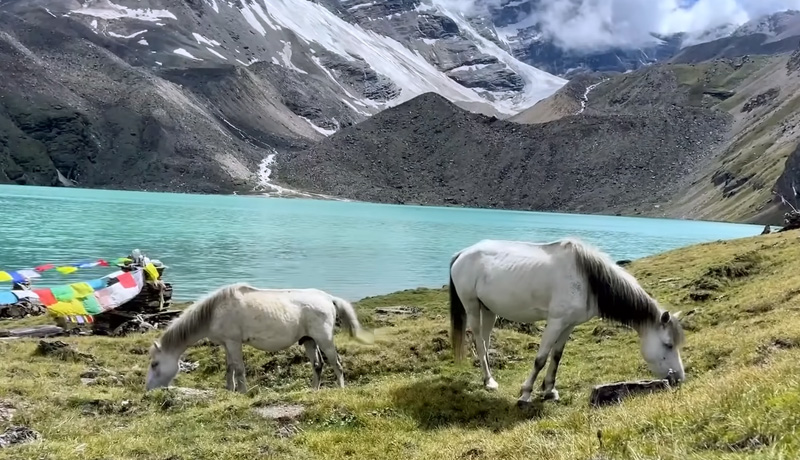
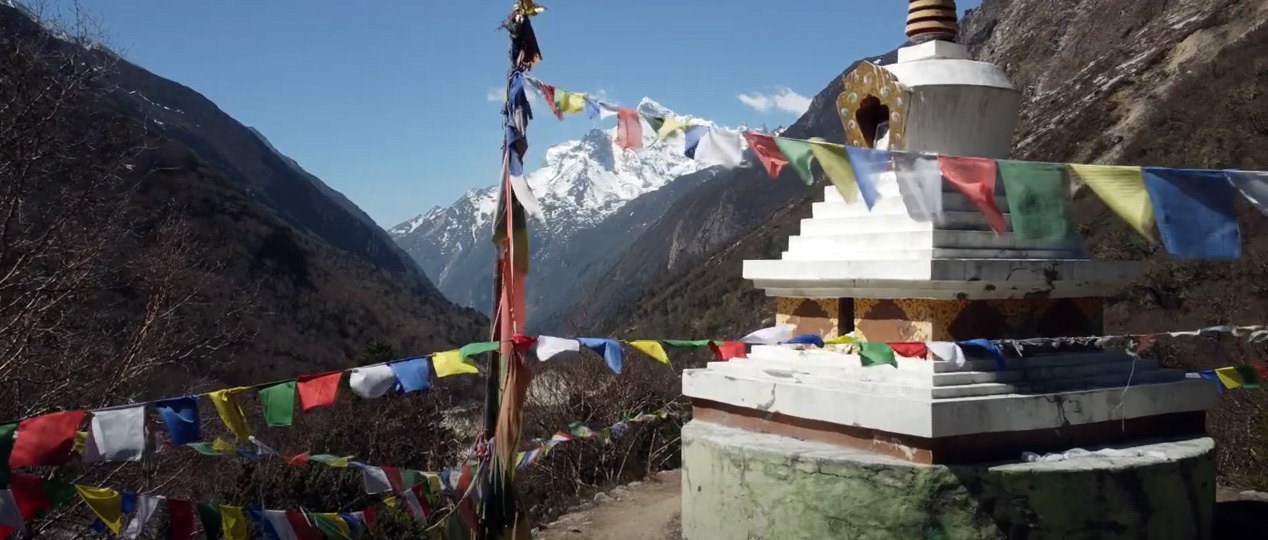
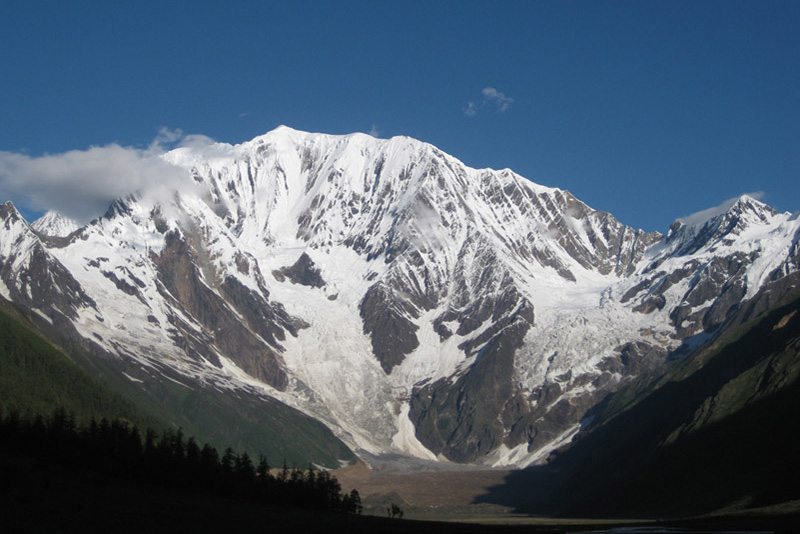
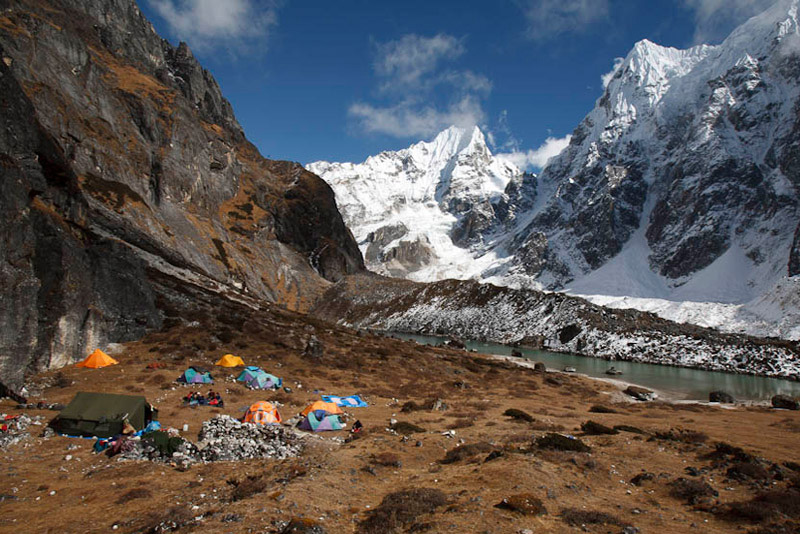
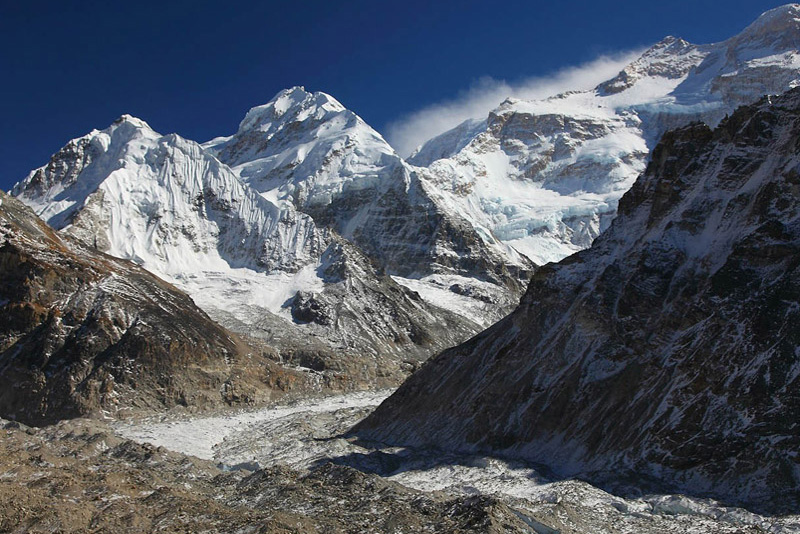
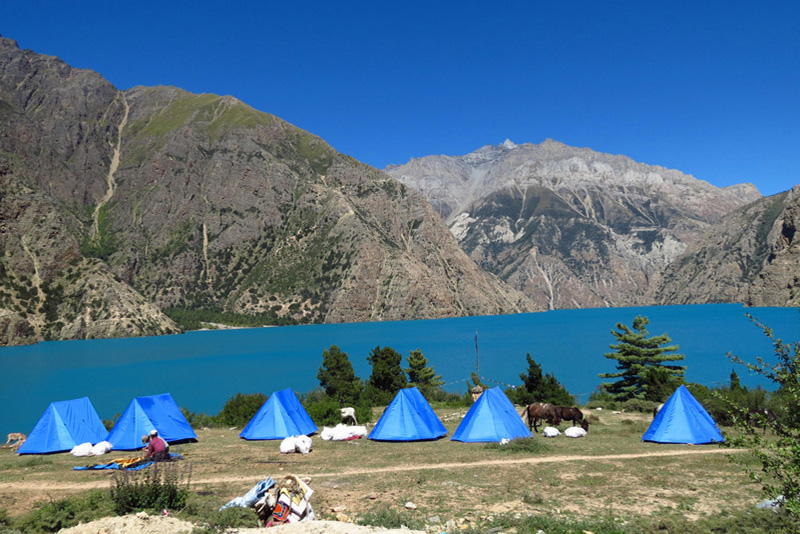
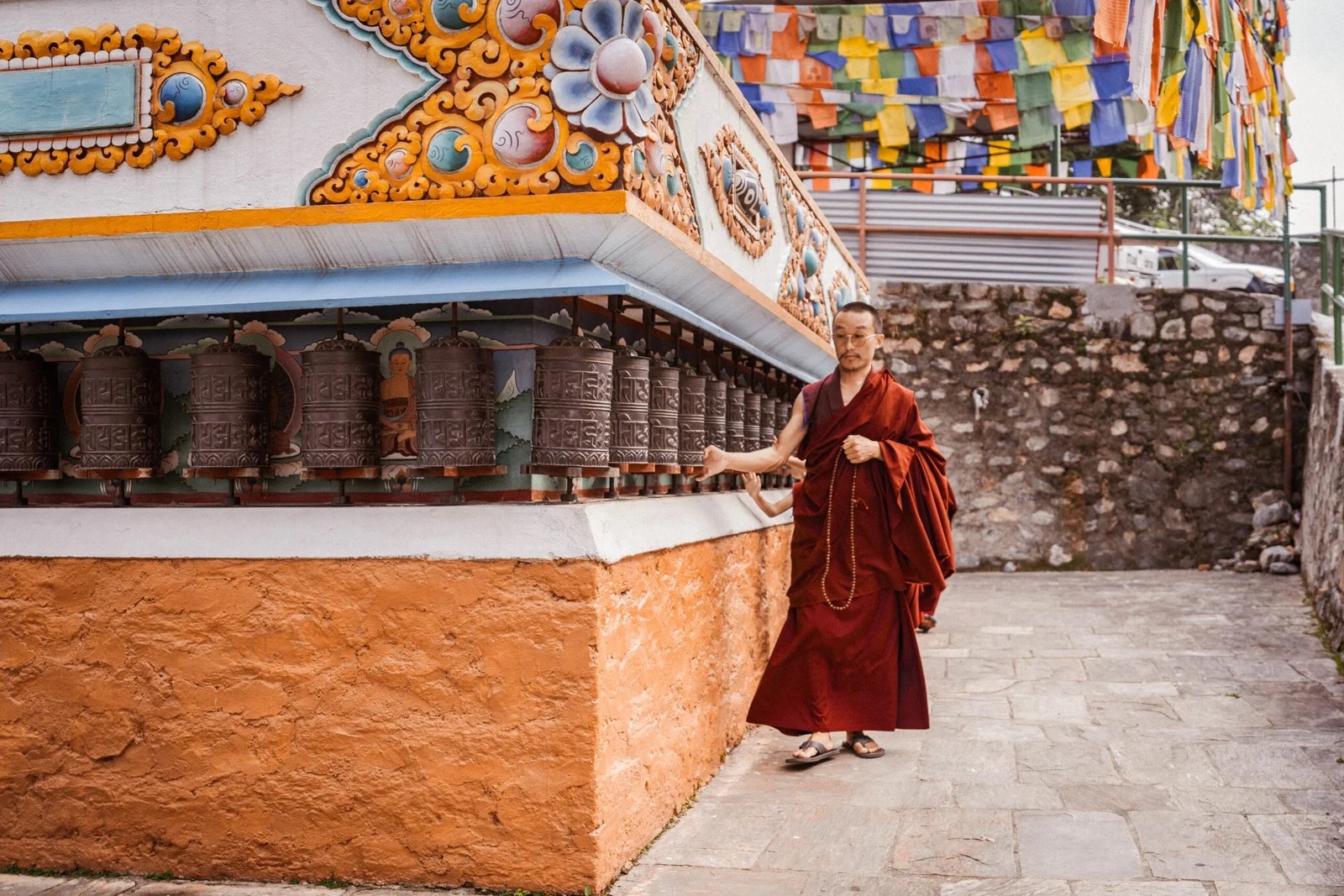
What separates remote area trekking in Nepal from the popular circuits isn’t just the absence of crowds — it’s the texture of the entire experience. In Upper Dolpo, the landscape shifts dramatically into trans-Himalayan desert, where the 145-meter-deep Phoksundo Lake sits turquoise and still against cliffs that seem to belong to another continent. The villages around it practice Bon, a pre-Buddhist religion, and the monasteries here are unlike anything found on the Everest or Annapurna routes. In Tsum Valley, a sacred Buddhist enclave tucked into the northern corner of the Gorkha district near the Tibetan border, the Mu Gompa nunnery sits at 3,700 meters, flanked by peaks above 7,000 meters, and the locals live by a rhythm set by harvest seasons and monastery bells. Kanchenjunga, the world’s third-highest peak at 8,586 meters, draws fewer than two thousand trekkers per year to its base camp trails in Nepal’s far northeast — compare that to the tens of thousands flooding the Khumbu each autumn. These numbers tell the story clearly.
The Government of Nepal designates many of these regions as restricted areas, requiring trekkers to obtain a Restricted Area Permit through a registered trekking agency, trek with a licensed guide, and travel with a minimum of two people. Permit fees vary by region and season — Upper Mustang and Upper Dolpo carry some of the steeper fees, while Kanchenjunga and Nar Phu are relatively more accessible. These rules exist to protect both the trekkers in genuinely remote terrain and the fragile ecosystems and cultures that have survived intact precisely because access has been controlled. For trekkers, that permit process is the mechanism that keeps these routes from becoming the next Everest Base Camp. The extra planning, the agency coordination, the guide requirement — that’s the cost of going somewhere real. And in 2026, Nepal has also updated its regulations to allow solo travelers to access restricted zones when accompanied by a licensed guide, making these routes more accessible to independent trekkers than ever before.
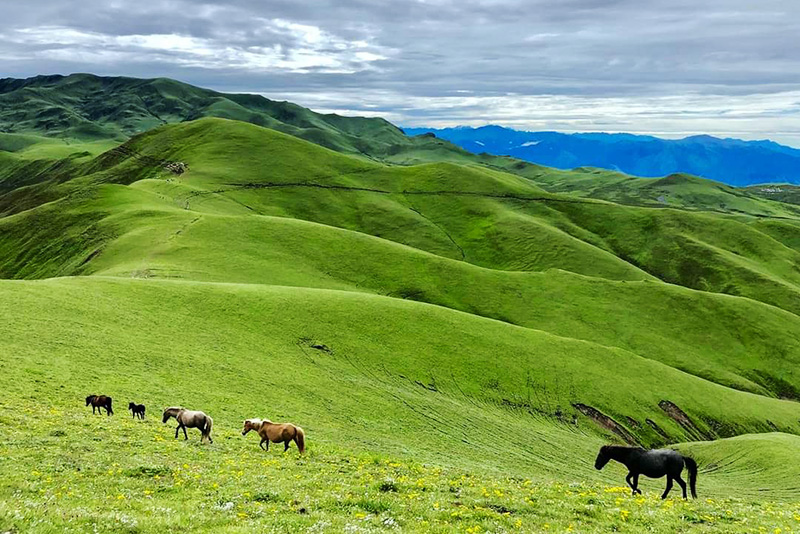
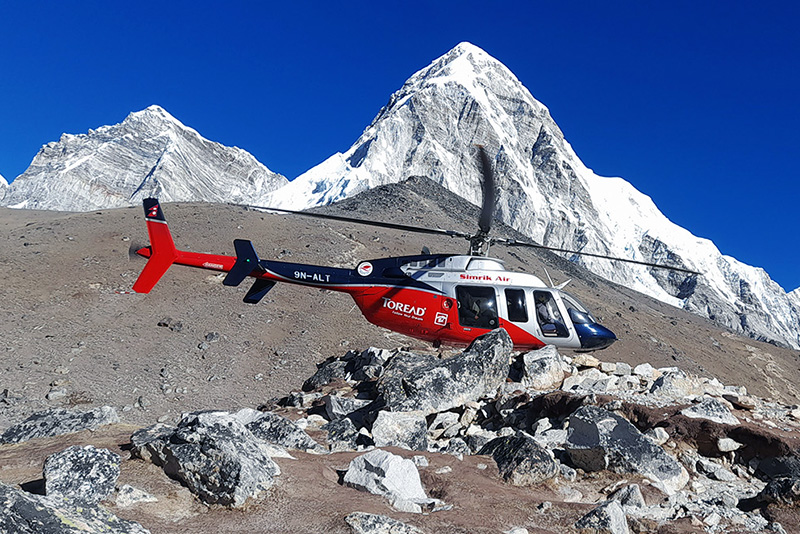
If you’re planning a trek in Nepal and the standard routes feel too well-worn, remote area treks are what you’re looking for. Spring and autumn are the best seasons, when passes are clear and trails are walkable without the brutal cold of winter or the slippery mud of monsoon. These treks demand solid physical preparation, proper altitude acclimatization planning, and a realistic respect for the logistics involved — evacuation from Upper Dolpo or eastern Kanchenjunga takes far longer than a helicopter out of Namche. But for trekkers who want to walk through landscapes that still operate entirely on their own terms, where the mountains are vast and the trails are quiet and the culture hasn’t been reshaped by tourism, Nepal’s remote areas remain one of the last genuinely unfiltered trekking frontiers on Earth.
Book now while these regions are still exactly that.
Top Add-on Trips
Everest Base Camp Helicopter Tour
Monastery Stay Tour