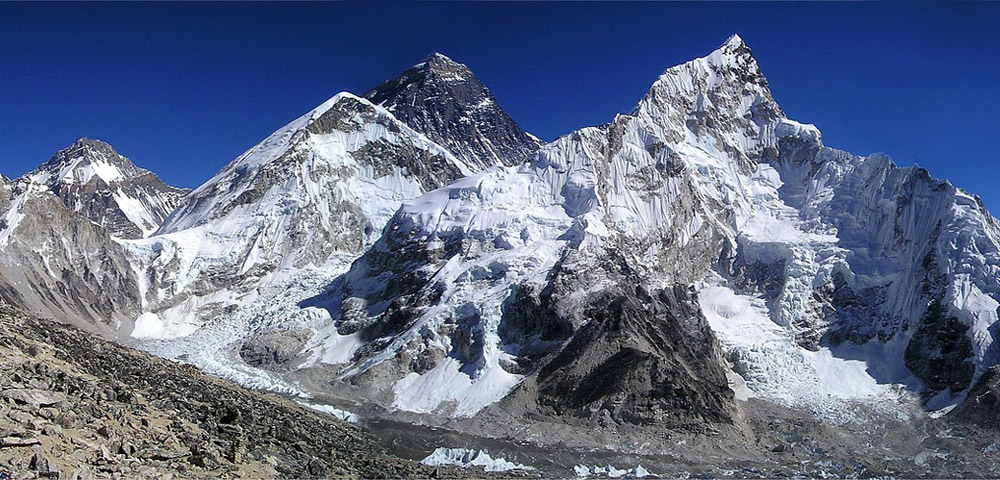
How to Do the Everest Base Camp Trek on a Lower Budget
Learn how to trek Everest Base Camp on a tighter budget with smart tips on permits, accommodation, food, transport, gear and make your Himalayan dream affordable.
The Everest Base Camp Trek is one of the most iconic treks in the world, leading trekkers through rugged Himalayan terrain, Sherpa villages, and panoramic mountain views. While the trek can be expensive — especially because of the Lukla flight and permit costs — you can still experience this incredible journey on a lower budget with thoughtful planning, smart choices, and some trade-offs. Here’s how to make your Everest Base Camp adventure affordable without compromising on safety or experience.
Travel in the Off- or Shoulder-Season
One of the biggest ways to save money on your EBC trek is by choosing when you go. The peak trekking seasons (spring and autumn) offer the best views but also come with higher prices for flights, accommodation, and food. If your schedule is flexible, consider trekking during the shoulder months (e.g., late spring or early autumn) or even off-season — local teahouses may offer lower rates, and services like food and lodging may cost less. This helps bring your overall cost down while still allowing for a meaningful trekking experience.
Join a Group or Find Trekking Partners
Another effective way to reduce costs is sharing expenses. Instead of booking a private trek, you can join group departures run by local agencies or look for trekking partners through online forums. When costs are shared, your daily guide or porter expenses go down significantly, and permit costs can be distributed more efficiently if handled through a local operator. This method is especially helpful for first-time trekkers who want to enjoy camaraderie and affordability.
Understand the Permit Costs
To trek to EBC, you’ll need two main permits: the Sagarmatha National Park Entry Permit and the Khumbu Pasang Lhamu Rural Municipality Permit. As of 2025/26, the Sagarmatha National Park Permit is about NPR 3,000 (~USD 30) for foreigners, and the Khumbu Pasang Lhamu permit is also around NPR 3,000 (~USD 30) for foreign trekkers. These permits are mandatory and contribute to conservation and local infrastructure in the Khumbu region. By using a local trekking agency, you can often bundle these permits with other services to avoid hidden costs.
Hire a Local Guide and Skip Luxury
Hiring a licensed, local guide is strongly recommended for EBC, not just for safety but also to make your trek smoother. Local guides typically charge around USD 30–35 per day for English-speaking, certified guides. When booked through a Nepali agency (rather than abroad), these fees are more transparent, and you’re supporting local employment in the Everest region.
If you need help with carrying your gear, you can also hire a porter. Their cost is usually around USD 20–25 per day (for about 15–20 kg of load). Sharing a porter or hiring one through a local company can greatly reduce your per-person cost.
Save on Teahouse Accommodation
On the trek, your lodging options are teahouses scattered along the trail. These are basic but cozy, usually costing USD 4–10 per night, depending on elevation and season. In some cases, especially in less-busy times of year, teahouse owners may offer free or discounted rooms if you have your meals there — so try to eat where you stay.
Eat Smart
Food costs increase as you ascend, but you can manage your budget by sticking to local, high-energy meals like dal bhat, which is often one of the cheapest and most filling options. Here’s a rough guideline: breakfast (porridge, eggs, toast) may cost USD 6–10, lunch or dinner around USD 8–14, and tea or coffee USD 1.5–4. For water, carry a refillable bottle and use purification tablets instead of buying bottled water; this saves money and reduces plastic waste.
Choose Local Transport
Getting to and from the Everest region can be expensive due to the Lukla flight. However, if you’re careful: try booking flights early, or look for budget deals. If you’re really tight on budget, you could consider trekking in via a road route (though this adds days). When returning, use shared local jeeps when possible. Planning your transport carefully can reduce a significant portion of your total cost.
Rent Trekking Gear Instead of Buying
If you don’t already own the required gear, don’t rush to purchase everything. In Kathmandu (Thamel), you can rent essentials like sleeping bags, down jackets, trekking poles, and duffle bags. Typical rental costs are around USD 1–3 per day per item. Investing in a good sleeping bag and a basic down jacket can help you avoid high rental costs at altitude.
Skip Optional Extras
On the trail, many teahouses charge extra for Wi-Fi, hot showers, and device charging. These costs add up: Wi-Fi may cost USD 3–6, charging USD 1–3 per hour, and showers USD 3–5. To save, limit these luxuries — use Wi-Fi only occasionally, charge when needed, and skip daily hot showers if you can.
Book Through a Local Trekking Agency
Rather than going with an international operator, choose a locally registered trekking company in Nepal. Local agencies often price more transparently and don’t have the same markups as foreign tour operators. Many local companies offer full EBC trek packages (permits, guide, porter, accommodation, meals) for a much lower cost. For example, independent local agencies estimate total budget for a standard 12–14 day trek to be around USD 1,000–1,500, depending on services and season.
Sample Budget Breakdown
Here’s an approximate breakdown for a budget EBC trek (12–14 days) when done smartly:
| Item | Estimated Cost (USD) |
|---|---|
| Permits (Sagarmatha + Khumbu) | $50–55 |
| Guide (12 days × ~ $30) | $360 |
| Porter (if used) | $240–$300 |
| Accommodation & Food | $30–40/day × ~12 days = $360–480 |
| Lukla/Transport | depends heavily, budget for deals or shared transport |
| Miscellaneous (Wi-Fi, hot shower, gear rental, tips) | $50–100 |
With careful planning, a budget trek to Everest Base Camp can be managed for around USD 1,000–1,500, depending on how many services you share or skip.
Final Tips for Budget Trekkers
-
Always carry cash (Nepali Rupees); ATMs are limited once you’re in the Khumbu region.
-
Consider travel insurance that covers high-altitude trekking — evacuation can be costly.
-
Share costs wherever possible: with guides, porters, teahouses, and transport.
-
Be flexible with your itinerary: extra acclimatization days can help avoid altitude sickness and reduce unnecessary costs.
-
Pack wisely: bring your own snacks, power bank or solar charger, and basic first-aid to avoid impulse purchases on the trail.
Conclusion
It’s absolutely possible to trek to Everest Base Camp on a budget, without sacrificing the spirit of adventure or missing out on the magic of the Himalayas. By traveling off-season, choosing a local guide, staying in teahouses, and being smart about gear and food, you can make your EBC trek affordable and sustainable. This approach not only saves money but also helps support local mountain communities and promotes responsible tourism.
With good planning and a flexible mindset, you can fulfill your dream of standing at the foot of the world’s highest mountain — without breaking the bank.
Recent Posts