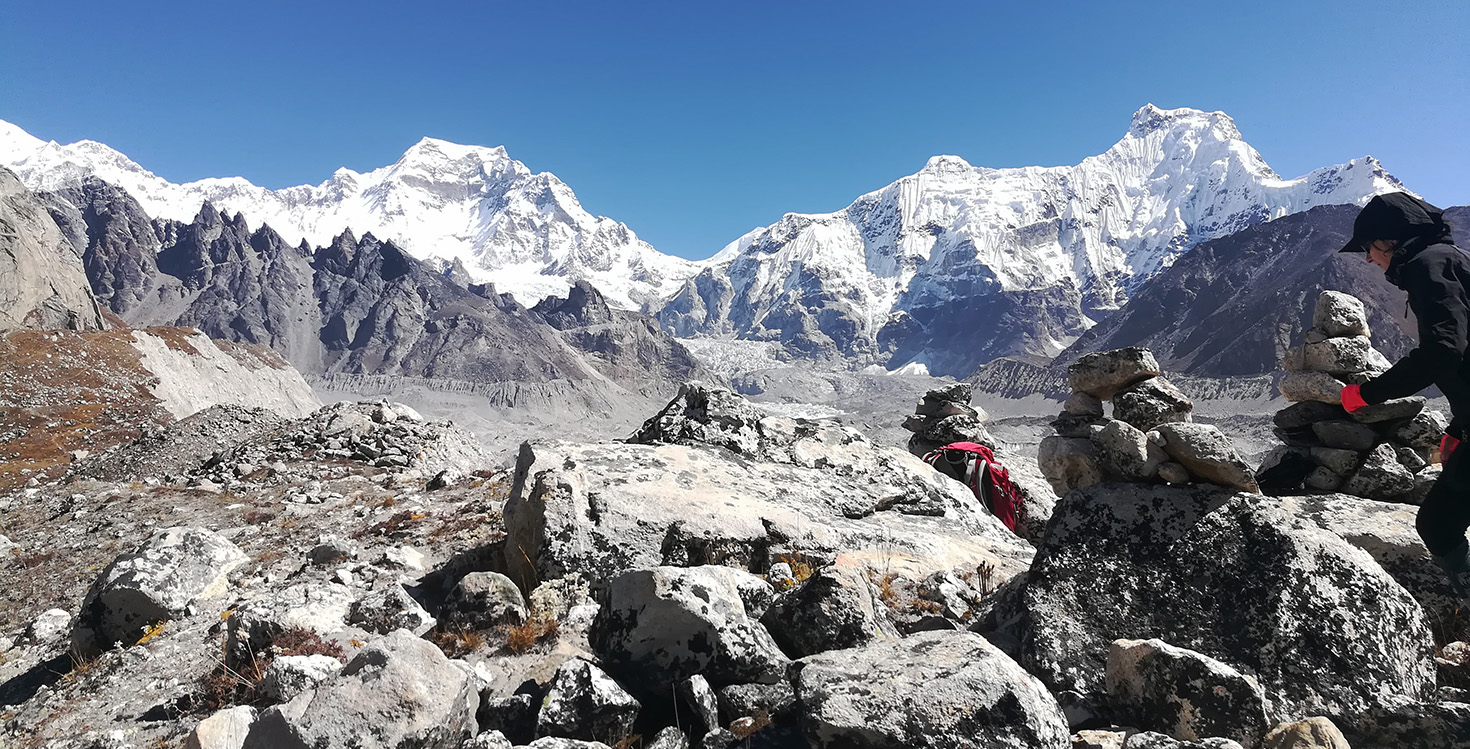
A Trekker’s Guide to Nepal’s Mountain Regions
When people talk about trekking in Nepal, they often focus on famous names—Everest, Annapurna, Mustang. But long before altitude or distance becomes important, there’s another question that matters just as much:
What does it actually feel like to trek there?
Nepal’s mountain regions are remarkably different from one another. Each has its own rhythm, culture, crowd level, and sense of remoteness. Understanding these differences helps you choose a trekking region that matches not just your fitness, but your personality, travel style, and expectations.
This guide explores Nepal’s main trekking regions and explains how they feel on the trail—something maps and itineraries rarely show.
How Nepal’s Mountain Regions Differ
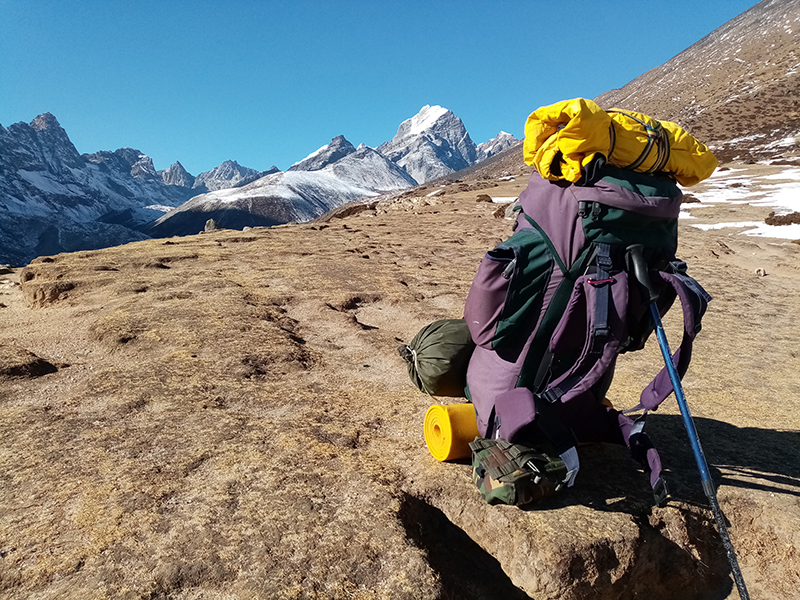
Nepal stretches from subtropical lowlands to the high Himalayas in a relatively short distance. This dramatic geography creates equally dramatic differences in trekking experiences.
Mountain regions differ in:
-
Landscape and altitude
-
Cultural influence and local communities
-
Accessibility and infrastructure
-
Crowd levels and atmosphere
-
Pace and overall comfort
Some regions feel busy and iconic. Others feel quiet and introspective. None are objectively better than the others—the right choice depends on what kind of journey you’re looking for.
Everest Region – High Altitude and Big Horizons
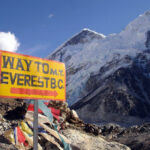
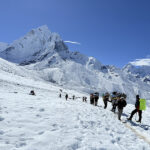
The Everest region trekking experience feels bold, expansive, and unmistakably Himalayan.
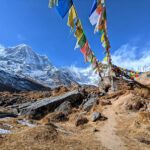
Trails here climb steadily through Sherpa villages, prayer-flag-lined passes, and wide glacial valleys. The presence of towering peaks creates a sense of scale that’s hard to describe until you’re there.
How It Feels
-
Grand and dramatic
-
Energetic with a sense of shared purpose
-
Culturally rich with strong Buddhist influence
-
Busy in peak seasons but well organized
You’ll meet trekkers from all over the world, yet moments of silence still arrive when clouds clear and the mountains reveal themselves.
Who It Suits
-
Trekkers drawn to iconic landscapes
-
Those comfortable with altitude
-
Travelers who enjoy social trekking environments
Annapurna Region – Diversity and Balance
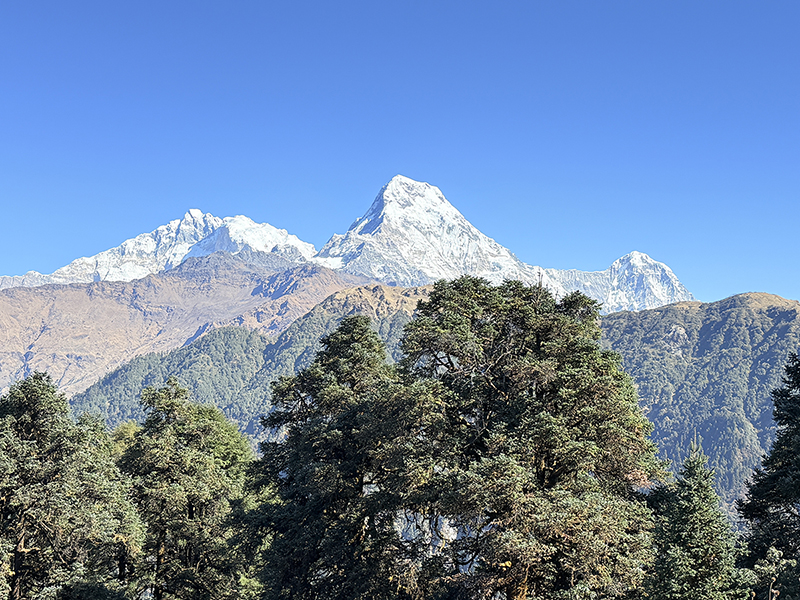
Annapurna region trekking feels varied, accessible, and well-balanced.
In a single trek, you might walk through rice terraces, pine forests, alpine meadows, and high mountain passes. Villages are frequent, and cultural diversity is one of the region’s defining features.
How It Feels
-
Dynamic and constantly changing
-
Welcoming and community-oriented
-
Comfortable with good lodge options
-
Moderately busy without feeling overwhelming
Annapurna offers a middle ground—adventure without extreme remoteness.
Who It Suits
-
First-time trekkers
-
Travelers over 50
-
Those seeking culture and scenery together
-
Trekkers who value comfort and flexibility
Langtang Region – Quiet and Cultural
Langtang trekking feels intimate and grounded.
Located close to Kathmandu, this region offers deep cultural experiences without the heavy foot traffic of more famous routes. The landscape is dramatic, but the atmosphere remains calm and personal.
How It Feels
-
Peaceful and less crowded
-
Strong sense of local life
-
Authentic and unhurried
-
Emotionally rich due to community resilience
Trekkers often describe Langtang as feeling more connected—less like a destination and more like a journey through living culture.
Who It Suits
-
Trekkers seeking quieter trails
-
Culture-focused travelers
-
Those with limited time
-
Repeat visitors to Nepal
Remote Regions – Isolation and Depth
Remote treks in Nepal—such as Upper Mustang, Dolpo, and parts of Manaslu—feel profoundly different from mainstream routes.
Here, isolation becomes part of the experience. Villages are sparse, infrastructure is minimal, and the sense of stepping into another world is unmistakable.
How It Feels
-
Remote and introspective
-
Raw and deeply immersive
-
Culturally distinct and preserved
-
Demanding but rewarding
These regions require permits, careful planning, and experienced guides, but they offer unmatched depth.
Who It Suits
-
Experienced trekkers
-
Adventure-seekers
-
Travelers drawn to solitude and culture
-
Those comfortable with basic conditions
Which Trekking Region Fits Your Style?
Choosing among trekking regions in Nepal comes down to a few honest questions:
-
Do you prefer social energy or solitude?
-
Are you drawn to iconic views or hidden corners?
-
How important is comfort and infrastructure?
-
How much time and flexibility do you have?
There’s no single “best trekking region in Nepal.” The best region is the one that feels right for you.
Why Local Insight Matters When Choosing a Region
Online descriptions often focus on highlights, but they rarely explain how a region feels day after day on the trail.
Local trekking companies understand these nuances because they live them. They know when trails are busiest, where weather shifts quickly, and how cultural rhythms shape daily trekking life.
This insight allows travelers to make choices based on experience, not assumptions.
Why Trek with Getaway Nepal Adventure
As a local trekking company in Nepal, Getaway Nepal Adventure helps travelers choose regions that match their expectations—not just their fitness level.
They offer:
-
Honest, experience-based advice
-
Customized itineraries
-
Deep regional knowledge
-
A people-first approach to trekking
Rather than promoting one region over another, their focus is helping you find the trek that truly fits.
Conclusion – Choose the Region That Feels Right
Nepal’s mountain regions are not just geographical areas—they are experiences with distinct personalities.
Understanding how each region feels helps you trek with clarity, confidence, and purpose. When your surroundings align with your expectations, trekking becomes more than a physical journey—it becomes a meaningful one.
If you’re unsure which trekking region in Nepal suits your style, contact Getaway Nepal Adventure for personalized guidance rooted in local expertise. The right region makes all the difference.
Recent Posts