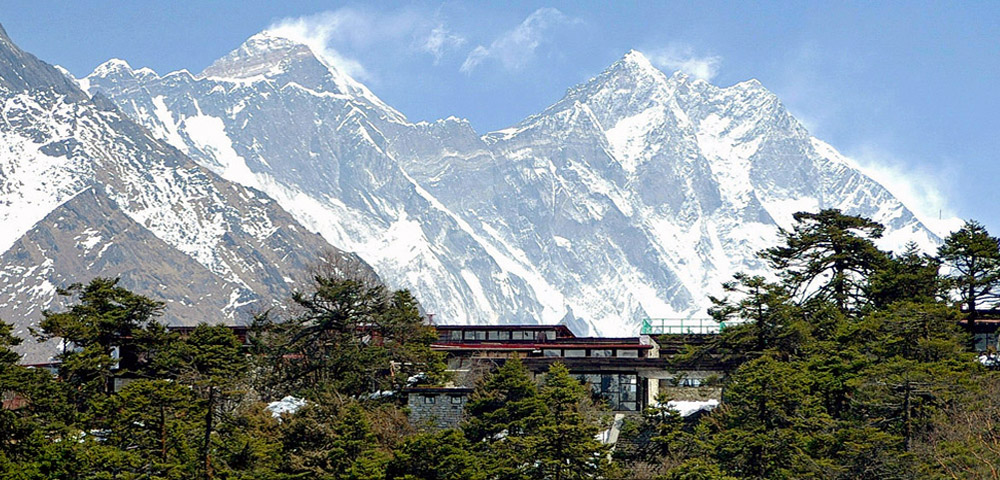
Your Complete Guide to Everest View Trek
Nepal’s Most Rewarding Short Trek
Not everyone has three weeks and the lungs of a mountain goat. The Everest View Trek solves that problem. In just 7 days, you walk into the heart of the Khumbu, stand face-to-face with the highest mountain on Earth, sleep in traditional teahouses, and come back without once needing to push past 3,860 metres.
This is not a consolation prize for people who can’t do Everest Base Camp. It’s a different experience entirely. The trail is quieter above Namche, the pace is honest, and the views at Tengboche Monastery are, in the opinion of most trekkers who’ve done both, better than anything you see at base camp. You’re looking up at Everest from the front, not standing at its feet staring at a glacier.
The trek follows the classic EBC route for the first two days, Lukla to Namche Bazaar, then branches off toward Hotel Everest View and Khumjung village before pushing on to Tengboche Monastery. From there it loops back. By the time you fly out of Lukla, you’ll have crossed suspension bridges over the Dudh Koshi River, walked through rhododendron forests, visited a monastery founded in 1916, and earned every inch of those mountain views.
Trek at a Glance
| Duration | 7 Days (5–8 day variations available) |
| Maximum Altitude | 3,860 m / 12,664 ft (Tengboche Monastery) |
| Trek Start / End | Lukla (2,860 m) — fly from Kathmandu |
| Difficulty | Moderate — suitable for fit beginners |
| Daily Walking | 4–6 hours per day |
| Best Seasons | March–May and October–November |
| Accommodation | Teahouses and lodges along the route |
| Permits Required | Sagarmatha National Park + Khumbu Pasang Lhamu |
| Cost (approximate) | USD $500–$1,500 depending on operator and inclusions |
| Min. Age | No formal minimum — suitable for fit children and older adults |
Day-by-Day Itinerary
The standard 7-day version is the most popular. Some operators offer 5-day express versions or 9-day versions with more acclimatisation time. The 7-day itinerary below is the sweet spot.
| Day | Route | Altitude | Walking Time |
| Day 1 | Kathmandu → Lukla → Phakding | 2,610 m | 3–4 hrs |
| Day 2 | Phakding → Namche Bazaar | 3,440 m | 5–6 hrs |
| Day 3 | Acclimatisation — Namche Bazaar / Hotel Everest View hike | 3,880 m (hike) | 3–4 hrs |
| Day 4 | Namche Bazaar → Khumjung → Tengboche | 3,860 m | 5–6 hrs |
| Day 5 | Tengboche → Namche Bazaar | 3,440 m | 4–5 hrs |
| Day 6 | Namche Bazaar → Lukla | 2,860 m | 6–7 hrs |
| Day 7 | Lukla → Kathmandu (flight) | 1,400 m | Flight ~35 min |
Day 1: Kathmandu to Lukla to Phakding (2,610 m)
You catch an early-morning flight from Tribhuvan International Airport to Tenzing-Hillary Airport in Lukla, one of the more thrilling short flights in aviation. The runway sits on a hillside at 2,860 m and is just 527 metres long with a steep drop at one end. The views are spectacular; the landing is fine.
After arriving in Lukla, your guide and porter will sort the gear while you get a cup of tea. Then you start walking. The trail drops down from Lukla toward the Dudh Koshi River valley, passing through the village of Cheplung and descending through pine forests to Phakding. This is a gentle warm-up day. Total elevation loss is modest, the trail is well-marked, and you’ll be at your lodge by early afternoon.
Day 2: Phakding to Namche Bazaar (3,440 m)
This is the biggest climbing day of the trek. You leave Phakding and follow the Dudh Koshi River, crossing several spectacular suspension bridges — including the famous Hillary Bridge, which sways dramatically over a gorge. Flags hang everywhere. The river roars below. It’s the moment most trekkers realise they’re actually in the Himalayas.
After Monjo, you enter Sagarmatha National Park and pay the park entrance fee. The climb to Namche is steep, particularly the final push — roughly 600 metres of ascent over a couple of hours. Near the top, on a clear day, you catch your first glimpse of Everest framed between the ridges. Namche itself is a remarkable place: a horseshoe-shaped town built into a cirque at 3,440 m, full of bakeries, gear shops, coffee shops, and Sherpa history. It’s called the Gateway to Everest, and you’ll understand why immediately.
Day 3: Acclimatisation in Namche Bazaar
Don’t skip this day. Altitude sickness doesn’t care how fit you are, and gaining altitude too fast above 3,000 m is genuinely risky. The standard advice is ‘climb high, sleep low’, so this day is spent going higher before returning to sleep at the same elevation.
The most popular excursion is the 2–3 hour hike up to Hotel Everest View, which sits at 3,880 m and holds a Guinness World Record as the highest-altitude hotel on the planet. On a clear morning, you can see Everest, Lhotse, Nuptse, and Ama Dablam from the terrace with a cup of coffee. It’s an extraordinary sight. After lunch, many trekkers continue to the nearby Khumjung village to visit the school founded by Sir Edmund Hillary, a small monastery, and a display that supposedly houses a yeti scalp (judge it as you will). Return to Namche for the night.
Day 4: Namche Bazaar to Khumjung to Tengboche (3,860 m)
This is the best day on the trail. You leave Namche on a high-contour path with wide-open views of the Khumbu peaks, descend through rhododendron and juniper forests to the Dudh Koshi River at Phunki Tenga, then climb steeply for about 90 minutes through pine forest to Tengboche. In spring, the rhododendrons are in bloom. The colours are absurd.
Tengboche Monastery sits at 3,860 m in one of the most dramatic mountain settings in the world. The main peaks visible from here include Everest, Lhotse, Nuptse, Ama Dablam, Thamserku, Kantega, and Kwangde. The monastery was originally established in 1916 and rebuilt after the 1934 earthquake and again after a fire in 1989. If timing allows, attend the late-afternoon puja ceremony — monks chanting in the gompa as the peaks turn gold in the last light is something that stays with you.
Day 5: Tengboche to Namche Bazaar (3,440 m)
Rise early for sunrise views over the peaks from Tengboche — this is one of the best sunrise spots in the Khumbu. Then descend back through the forest to Phunki Tenga, cross the river, and follow the trail south along the hillside. The walking is pleasant and the downhill is gentle enough that your knees won’t suffer. Back in Namche by lunchtime. You’ve earned a good meal and a rest.
Day 6: Namche Bazaar to Lukla (2,860 m)
A long but entirely downhill day. The trail retraces your steps from day two — back across the Hillary Bridge, back through the national park gate, back along the Dudh Koshi. What took significant effort on day two is substantially easier going the other way, though the descent is long and you’ll want trekking poles for your knees. Plan to reach Lukla by mid-afternoon, giving you time to wash, celebrate, and prepare for the morning flight.
Day 7: Lukla to Kathmandu (Flight)
Morning flights only. Weather can cause delays, which is why many operators build a buffer day into the itinerary if you have a connecting international flight. Enjoy breakfast, say goodbye to your guide and porter, and board for the short flight back to Kathmandu. From the city, it’s a hot shower, a real bed, and whatever comes next.
Top Highlights of the Trek
- Namche Bazaar — the liveliest mountain town in Nepal, packed with Sherpa culture, great food, and the atmosphere of a genuine expedition hub
- Hotel Everest View — listed in the Guinness World Records as one of the world’s highest hotels, with unobstructed views of Everest and surrounding peaks from 3,880 m
- Tengboche Monastery — the largest monastery in the Khumbu, founded in 1916, set directly against the backdrop of Ama Dablam and Everest
- The Hillary Bridge — one of several dramatic suspension bridges over the Dudh Koshi River gorge
- Sagarmatha National Park — a UNESCO World Heritage Site protecting rare Himalayan flora, fauna, and cultural heritage
- Khumjung Village — home to a school built by Sir Edmund Hillary and one of the most authentic Sherpa villages on the trail
- Wildlife — musk deer, Himalayan tahr, snow leopard (if you’re lucky), and dozens of bird species including the Himalayan monal
- Panoramic mountain views — Everest (8,849 m), Lhotse (8,516 m), Nuptse (7,861 m), Ama Dablam (6,812 m), Thamserku (6,618 m), and many more
Difficulty and Fitness
The Everest View Trek is rated moderate. This is accurate. You don’t need prior trekking experience, you don’t need technical skills, and you won’t be sleeping above 3,860 m. Most days involve 4–6 hours of walking on well-maintained, clearly signposted trails. The two harder sections are the ascent to Namche on day two (steep, long) and the climb to Tengboche on day four (shorter but sustained).
That said, altitude is a real factor. Above 3,000 m, even fit people can develop headaches, nausea, or fatigue if they ascend too fast. The built-in acclimatisation day at Namche handles this effectively for most trekkers. If you’ve had altitude sickness before or are trekking with children or older adults, mention it to your operator beforehand. The itinerary can be paced accordingly.
A reasonable preparation plan: 8–12 weeks of cardio training before the trek. Regular hiking with a loaded daypack is ideal. You don’t need to train for marathon fitness — you need to be comfortable walking uphill for 4–5 hours consecutively.
Permits and Documentation
Two permits are required and should be arranged before you leave Kathmandu. A reputable trekking operator will handle this for you.
- Sagarmatha National Park Entry Permit — approx. NPR 3,000 (USD ~$22) for foreign nationals
- Khumbu Pasang Lhamu Rural Municipality Permit — approx. NPR 2,000 (USD ~$15)
You’ll also need a valid passport and two passport-sized photos. Some operators include permit fees in the package cost; others charge separately. Confirm this upfront.
Best Time to Go
Two windows dominate: spring (March to May) and autumn (October to November). Both offer stable weather and clear skies.
- March–May: Rhododendrons in full bloom transform the forests between Namche and Tengboche into something remarkable. Temperatures are mild. May can get busier as it overlaps with Everest climbing season.
- October–November: Post-monsoon clarity means the sharpest mountain views. Dry trails, cold nights, and the busiest season on the trail. Book accommodation and flights early.
- December–February: Cold, quiet, and beautiful if you’re properly equipped. Snow can be present above Namche. Not recommended for beginners.
- June–September: Monsoon season. Trails become muddy and leech-prone, visibility is poor, and flight cancellations to Lukla are frequent. Not ideal.
Accommodation
The Everest View Trek route is well-served by teahouses — family-run guesthouses that provide a bed, blankets, and meals. Standards vary from basic dormitory rooms to comfortable private rooms with attached bathrooms at lodges in Namche. At higher altitudes like Tengboche, expect simpler facilities.
- Namche Bazaar: Widest range of options including mid-range lodges with hot showers, Wi-Fi, and surprisingly good food
- Phakding and Monjo: Basic teahouses, functional and clean
- Tengboche: Simple lodges with good mountain views; cold at night
All teahouses provide meals. Expect dal bhat (the classic Nepali lentil rice meal), pasta, noodles, soups, and eggs. Prices increase with altitude. Bring enough cash (Nepali Rupees) — ATMs are available in Namche but unreliable higher up.
How Much Does It Cost?
Budget varies significantly depending on whether you go independently, hire a local guide, or book a full package with an operator.
| Category | Approximate Cost (USD) |
| Budget (independent + guide hire) | $400–$700 |
| Mid-range package (operator inclusive) | $800–$1,200 |
| Fully inclusive (luxury lodges) | $1,400–$2,000+ |
| Lukla return flights (from Kathmandu) | $220–$350 return |
| Permits (both) | ~$37 (NPR 5,000 combined) |
Tipping is a significant part of the local economy. Budget an additional $7–10 per day per guide and $5–7 per day per porter.
What to Pack
Clothing (Layering is everything)
- Moisture-wicking base layer — merino wool or synthetic, top and bottom
- Fleece mid-layer
- Down jacket (essential above Namche, particularly at Tengboche)
- Waterproof shell jacket and trousers
- Trekking trousers — convertible zip-off trousers work well
- Warm hat, sun hat, gloves, neck gaiter
- Hiking boots — broken in before the trek. Non-negotiable.
- Gaiters (optional but useful in early spring snow patches)
- Camp shoes or sandals for teahouses
Gear
- Trekking poles — especially valuable on the descent days
- Daypack (20–30 litres) — your porter carries the main bag
- Sleeping bag liner — teahouses provide blankets but liners add comfort
- Headlamp with spare batteries
- Sunglasses with UV400 protection — mountain glare is intense
- High-SPF sunscreen and lip balm
- Water purification tablets or a Steripen filter
- Personal first aid kit including blister pads, Ibuprofen, antihistamine, and Diamox (consult a doctor before use)
- Portable power bank — electricity in teahouses is available but unreliable
- Camera or a smartphone you’re happy to use at altitude
Health, Safety, and Altitude
Acute Mountain Sickness (AMS) is the main risk on this trek. It can affect anyone regardless of fitness level. The key prevention strategy is controlled ascent — the itinerary above accounts for this. Recognise the symptoms: persistent headache, nausea, dizziness, loss of appetite, and difficulty sleeping.
Golden rule: if symptoms worsen, descend. Do not push higher hoping it will resolve. Most AMS cases are mild and manageable with rest, hydration, and acclimatisation at the same altitude.
- Drink 3–4 litres of water per day. Dehydration accelerates altitude sickness.
- Avoid alcohol the first two days at altitude. It dehydrates and impairs acclimatisation.
- Diamox (Acetazolamide) can help prevent AMS. Consult your GP before the trip.
- Travel insurance that covers high-altitude trekking and helicopter evacuation is mandatory. Not optional.
- Carry the emergency number for Himalayan Rescue Association: +977-1-4440066
Guide and Porter
You can do this trek without a guide — it’s one of the better-marked trails in Nepal. That said, hiring a licensed guide is strongly recommended for safety, cultural context, and logistical ease. A good guide handles teahouse bookings, permit checks, watches for altitude symptoms, and makes the whole experience richer.
Porters typically carry a maximum of 25–30 kg and are an essential part of the trekking economy. Pay fairly, ensure they have adequate clothing and equipment, and tip generously. Reputable operators adhere to fair porter standards.
Frequently Asked Questions
Do I need prior trekking experience?
No. The Everest View Trek is suitable for first-time trekkers with a decent base level of fitness. Previous multi-day hike experience is helpful but not required.
Can children do this trek?
Yes, with caveats. Children above 10 years old generally handle it well with proper pacing. Consult a doctor beforehand, keep an eye on AMS symptoms, and build extra acclimatisation days into the itinerary if needed.
Is Wi-Fi available on the trail?
Yes, in most teahouses, though speeds are slow and connectivity is inconsistent above Namche. Yeti and EVEREST networks are the most common providers. Many lodges charge NPR 200–500 per day for access.
What is the best way to get to Lukla?
Domestic flights from Kathmandu to Lukla take approximately 35 minutes. Tara Air and Summit Air are the main carriers. Book well in advance for peak season. Helicopter transfers are available as a more expensive but weather-resilient alternative.
Is it safe to trek solo?
The trail is safe and well-travelled. Solo trekking is permitted, though as of recent years, Nepal trekking regulations have generally required trekkers to be accompanied by a licensed guide. Verify current regulations with your operator or the Nepal Tourism Board before planning a solo itinerary.
How does it compare to Everest Base Camp Trek?
The Everest View Trek is roughly half the length and half the altitude. The EBC trek reaches 5,364 m, takes 12–16 days, and requires significantly more endurance and acclimatisation time. The Everest View Trek tops out at 3,860 m, takes 7 days, and is accessible to a much wider range of trekkers. The views from Tengboche, particularly of Ama Dablam and Everest, arguably rival those from EBC in terms of drama.
Final Word
The Everest View Trek exists in a peculiar sweet spot. Short enough to fit into annual leave. Accessible enough for non-professional trekkers. But the views, the culture, and the sheer scale of what you’re walking through are fully Himalayan. You won’t feel like you’ve seen a lighter version of something. You’ll feel like you’ve seen exactly what you came for.
Book during the peak windows, acclimatise properly, hire a good guide, and bring enough warm layers. Everything else tends to sort itself out on the trail.
Recent Posts