How to Do the Manaslu Circuit Trek on a Lower Budget
Discover how to trek the Manaslu Circuit in Nepal on a budget. Learn about permits, guides, accommodation, food, and cost-saving tips for an affordable Manaslu adventure.
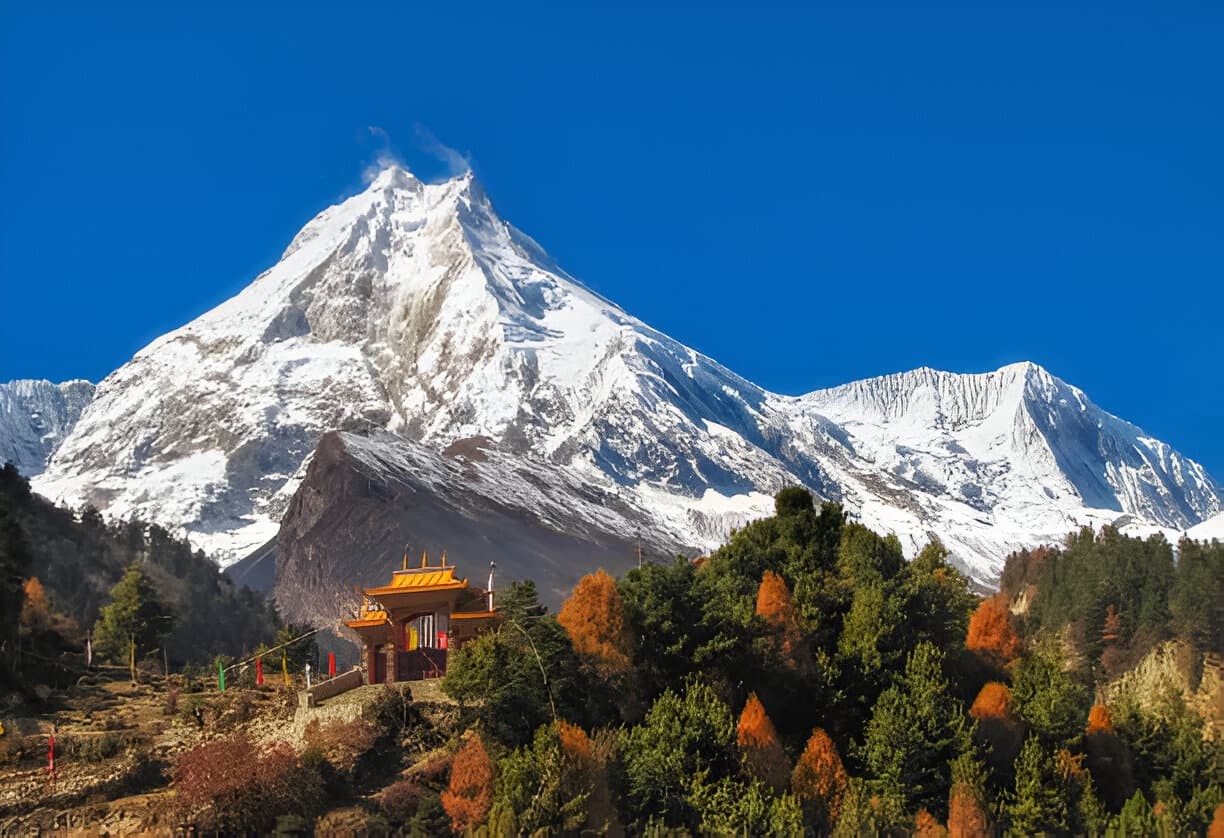
The Manaslu Circuit Trek is one of Nepal’s most spectacular yet lesser-known trekking routes. Circling Mount Manaslu (8,163 m), the world’s eighth-highest peak, this trail offers breathtaking Himalayan landscapes, authentic village life, and deep Tibetan cultural influences. While it’s often perceived as costly because it lies in a restricted area, it’s very possible to complete this incredible journey on a lower budget with thoughtful planning and a few smart choices.
Travel in the Low Season
Timing plays a big role in your overall trekking expenses. The Manaslu Circuit is most popular in October and early November, when the weather is perfect but prices are high. Instead, aim for shoulder seasons like late November to early December or March to April. During these months, trails are quieter, accommodation is more affordable, and you’ll still enjoy pleasant weather and clear mountain views. Traveling slightly off-season not only reduces costs but also makes the experience more peaceful and authentic.
Join a Group or Find a Trekking Partner
Because the Manaslu region is a restricted area, trekkers are required to travel with at least two people and a licensed guide. Rather than trekking solo or hiring private services, you can join a group trek or find a partner to share expenses. Many trekkers connect through online platforms like Trekking Partners Nepal or Facebook groups such as Backpackers in Nepal. Sharing permits, guide costs, and transportation can significantly lower your overall spending while giving you a companion on the trail.
Understand the Permit Costs
Every trekker on the Manaslu Circuit needs three key permits:
the Manaslu Restricted Area Permit (USD 75 for the first seven days, then USD 10 per day after), the Manaslu Conservation Area Permit (USD 30), and the Annapurna Conservation Area Permit (USD 30). If you book through a local trekking agency, they’ll handle all the permits together and may offer a small discount on processing fees. Knowing these costs in advance helps you plan and avoid hidden charges.
Save on Accommodation
Accommodation along the Manaslu Circuit is usually in simple teahouses—basic but comfortable mountain lodges. Most rooms cost USD 5–8 per night, and in many cases, you can stay for free or at a discount if you eat your meals there. Politely negotiating with owners and being loyal to one teahouse for both food and lodging is a great way to save. Bring a sleeping bag so you won’t need to rent blankets, especially at higher altitudes.
Eat Smart and Simple
Meals are often the most expensive part of trekking in Nepal, but smart choices make a big difference. Stick to traditional Dal Bhat, which comes with unlimited refills and is packed with energy for long hikes. Avoid costly Western dishes such as pizza or pasta. Buy snacks, tea bags, and instant coffee in Kathmandu before your trek, where prices are lower. Instead of bottled water, use a refillable water bottle and purification tablets — this not only saves money but also reduces plastic waste.
Choose Local Transport
Transport to and from the Manaslu region can be costly if you hire private jeeps. The most affordable option is taking local buses, which cost about USD 15–20 from Kathmandu to Soti Khola or Machha Khola. A private jeep, on the other hand, can cost up to USD 150–180 for the same journey. Local buses take longer and are less comfortable, but they’re ideal for budget travelers. On the return journey from Dharapani or Besisahar, you can share a local jeep with other trekkers to save more.
Rent Gear Instead of Buying
There’s no need to buy all-new trekking gear for one trip. In Thamel (Kathmandu), you can rent equipment like sleeping bags, down jackets, and trekking poles for USD 1–3 per day per item. Carry a solar charger, light toiletries, and your own first-aid kit to avoid paying inflated prices along the route. Renting instead of buying saves a considerable amount of money while keeping your luggage light.
Skip Non-Essential Add-Ons
Teahouses often charge extra for comforts like Wi-Fi, hot showers, or phone charging. Wi-Fi can cost USD 2–5 per session, a hot shower around USD 3, and device charging about USD 1–2 per hour. If you limit these luxuries to once every few days, you’ll easily save USD 30–50 over the trek. Besides, disconnecting from technology lets you better enjoy the natural beauty around you.
Book with a Local Trekking Agency
International tour operators often charge double for the same trek because of higher marketing and administrative costs. Booking through a locally registered trekking agency gives you fair pricing and helps support the local economy. A complete Manaslu Circuit Trek package through a Nepali agency — including permits, guide, accommodation, food, and local transport — typically costs around USD 900–1,100, while international agencies can charge over USD 1,800–2,500 for the same experience.
Sample Budget Estimate
If you plan wisely, you can complete the entire trek for under USD 1,000. Expect to spend about USD 135 for permits, USD 350 for a guide (14 days), USD 250 for food and accommodation, USD 50 for transportation, and around USD 50 for miscellaneous expenses such as Wi-Fi, gear rental, or tips. This totals roughly USD 800–900 for a two-week adventure — exceptional value for such a rewarding experience.
Final Tips for Budget Trekkers
Always carry enough Nepali Rupees, as there are no ATMs after Soti Khola. Bring your own basic medicines and travel insurance that covers trekking above 4,000 meters. Be mindful of your spending and try to purchase goods and services from local businesses — your money directly supports the mountain communities that make this trek so special.
Conclusion
Trekking the Manaslu Circuit on a budget is entirely possible and deeply rewarding. With careful planning, local connections, and simple lifestyle choices, you can enjoy one of Nepal’s most scenic and culturally rich treks without overspending. This route offers raw Himalayan beauty, quiet trails, and genuine cultural encounters — often without the crowds found in the Everest or Annapurna regions. Trekking smartly doesn’t just save money; it also supports sustainable tourism and enriches your experience. So pack light, plan well, and prepare to discover one of Nepal’s most incredible adventures — the Manaslu Circuit awaits you!
Recent Posts