Annapurna Base Camp Trek Difficulty
How Hard Is the ABC Trek?
The Annapurna Base Camp Trek difficulty is generally classified as moderate, making it one of the most popular trekking routes in Nepal for both beginners and experienced hikers. While the trail does not require technical climbing skills, factors such as altitude gain, daily walking hours, stone staircases, and weather conditions can make the trek challenging—especially for first-time trekkers.
With proper preparation, acclimatization, and realistic expectations, the ABC Trek is achievable and highly rewarding. This detailed guide explains everything you need to know about the difficulty level of the Annapurna Base Camp Trek, including altitude, terrain, distance, fitness requirements, and tips to make the trek easier.
Overview of the Annapurna Base Camp Trek
The Annapurna Base Camp Trek (ABC Trek) lies in the Annapurna Conservation Area of western Nepal, within the Kaski District of Gandaki Province. It is one of the most commercialized and well-developed trekking regions in the country.
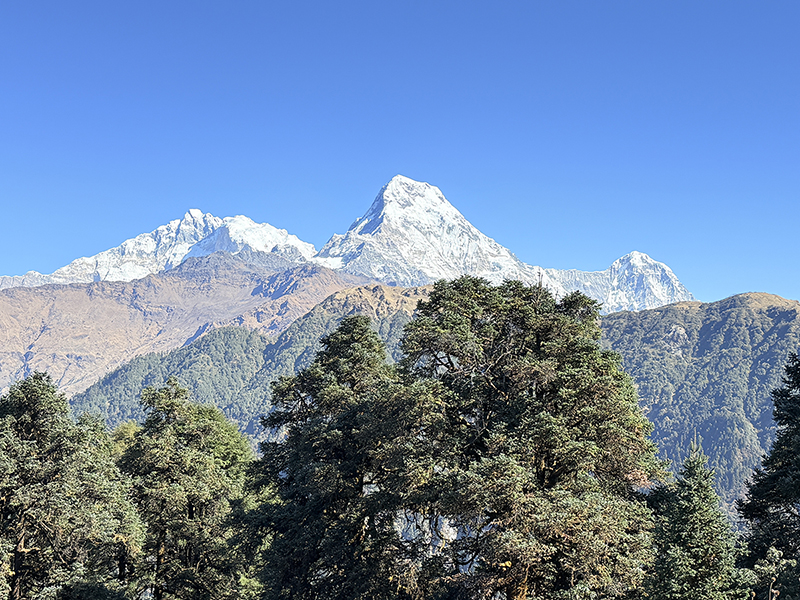
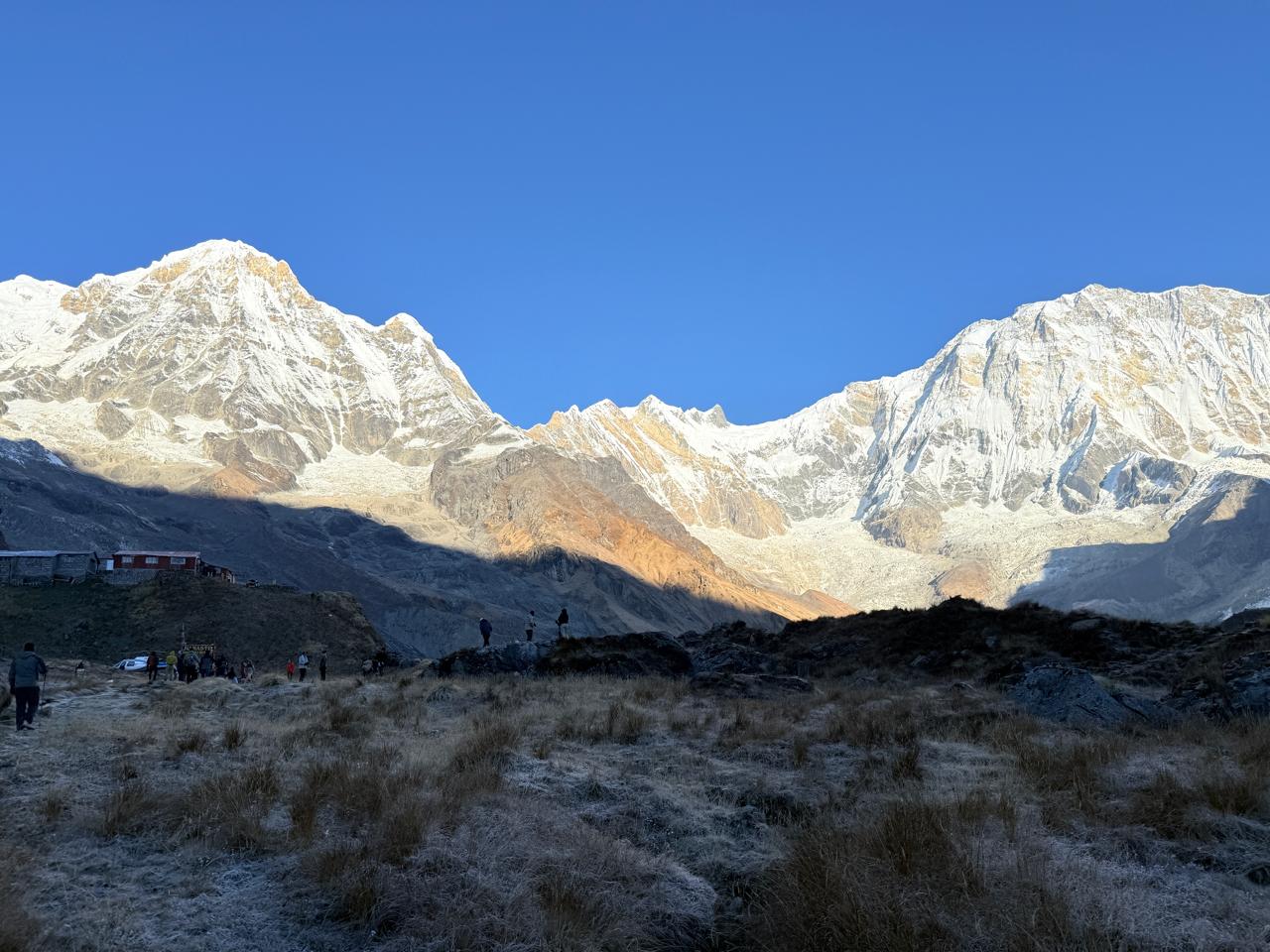
The trek offers spectacular close-up views of the Annapurna massif, including:
-
Annapurna I (8,091 m)
-
Machhapuchhre / Fishtail (6,993 m)
-
Annapurna South (7,219 m)
-
Hiunchuli (6,441 m)
-
Annapurna III & IV
-
Gangapurna and surrounding peaks
In addition to mountain views, trekkers walk alongside the Modi River, pass waterfalls, dense rhododendron forests, and traditional Gurung villages, providing both scenic and cultural experiences.
How Difficult Is the Annapurna Base Camp Trek?
The difficulty of the Annapurna Base Camp Trek is considered moderate. It is suitable for:
-
First-time trekkers with good fitness
-
Hikers with basic trekking experience
-
Travelers looking for a short Himalayan adventure
The trek is not technically demanding, but the continuous ascents and descents, combined with altitude above 3,000 meters, require physical endurance and proper pacing.
Key Difficulty Factors of the ABC Trek
-
Moderate altitude (4,130 m at base camp)
-
Long stone staircases
-
Daily hikes of 5–7 hours
-
Variable weather conditions
Annapurna Base Camp Trek Altitude Profile
Altitude is the most important factor affecting the ABC trek difficulty.
-
Starting point: Jhinu Danda – 1,760 m
-
Annapurna Base Camp: 4,130 m
Major overnight stops include:
-
Chhomrong – 2,170 m
-
Sinuwa – 2,500 m
-
Bamboo – 2,310 m
-
Dovan – 2,600 m
-
Deurali – 3,230 m
-
Machhapuchhre Base Camp (MBC) – 3,700 m
Although the altitude is lower than Everest Base Camp, altitude sickness can still occur if proper acclimatization is ignored.
Why Is the Annapurna Base Camp Trek Moderately Difficult?
1. Trekking Trail Conditions
About 85% of the trail consists of stone steps, built by local communities. These steps can be tiring on the knees, especially during long ascents and descents.
The most physically demanding section is between Chhomrong and Sinuwa, where trekkers descend steeply and then climb continuously.
2. Trek Duration
The ABC Trek typically takes 4 to 7 days, depending on the itinerary and walking pace. Short duration makes it more accessible, but daily hikes are still physically demanding.
3. Trekking Distance
-
Total distance: ~110 km (round trip)
-
Daily walking distance: 10–18 km
-
Average walking time: 5–7 hours per day
For trekkers with decent fitness, this distance is manageable.
4. Accommodation & Facilities
Because the ABC Trek is well established, tea houses and lodges are available throughout the route. Basic comforts such as hot showers, meals, electricity, and Wi-Fi reduce overall hardship and make the trek easier compared to remote treks.
Altitude Sickness Risk on the ABC Trek
The risk of altitude sickness on the Annapurna Base Camp Trek is moderate but manageable.
Although cases are relatively low, symptoms can occur above 3,000 m, especially near Deurali, MBC, and ABC.
How to Prevent Altitude Sickness on the ABC Trek
-
Ascend slowly and steadily
-
Take regular short breaks
-
Spend a night at Deurali or MBC before reaching ABC
-
Drink 3–4 liters of water daily
-
Eat high-carbohydrate meals
-
Avoid alcohol, smoking, and heavy foods
-
Listen to your body and inform your guide if unwell
-
Use Diamox (with doctor’s prescription if needed)
Best Time to Trek Annapurna Base Camp (Difficulty by Season)
Spring (March–May)
-
Stable weather and clear views
-
Blooming rhododendrons
-
Mild temperatures
-
Ideal for beginners
Autumn (September–November)
-
Dry trails and excellent visibility
-
Comfortable daytime temperatures
-
Festive atmosphere in villages
Winter (December–February)
-
Colder temperatures and snow
-
More challenging but less crowded
Monsoon (June–August)
-
Slippery trails and leeches
-
Poor visibility
-
Not recommended for beginners
Is the Annapurna Base Camp Trek Suitable for Beginners?
Yes, the Annapurna Base Camp Trek is one of the best treks in Nepal for beginners. The moderate difficulty, availability of accommodations, shorter duration, and non-technical trail make it beginner-friendly.
However, beginners should:
-
Prepare physically at least 3–4 weeks in advance
-
Take altitude seriously
-
Trek with a licensed guide
Frequently Asked Questions (FAQ)
How long does the Annapurna Base Camp Trek take?
Typically 5 days, but it can be customized from 4 to 7 days.
Do I need prior trekking experience?
No, but basic fitness and preparation are highly recommended.
What permits are required?
-
Annapurna Conservation Area Permit (ACAP)
-
TIMS Card
What is the maximum altitude?
4,130 m (13,549 ft) at Annapurna Base Camp.
What accommodation is available?
Tea houses and lodges with meals, hot showers, and basic amenities.
What is the cost of the ABC Trek?
Usually ranges from USD 500 to USD 1,000, depending on duration and services.
What is the best season for the ABC Trek?
Spring (March–May) and Autumn (September–November).
Final Thoughts on Annapurna Base Camp Trek Difficulty
The Annapurna Base Camp Trek difficulty is ideal for trekkers seeking a balanced Himalayan adventure—challenging enough to feel rewarding, yet accessible with proper planning. With stunning mountain scenery, cultural immersion, and manageable difficulty, the ABC Trek remains one of the best moderate treks in Nepal.
If you prepare well, pace yourself, and respect the altitude, the journey to Annapurna Base Camp will be a memorable and achievable adventure.
Recent Posts