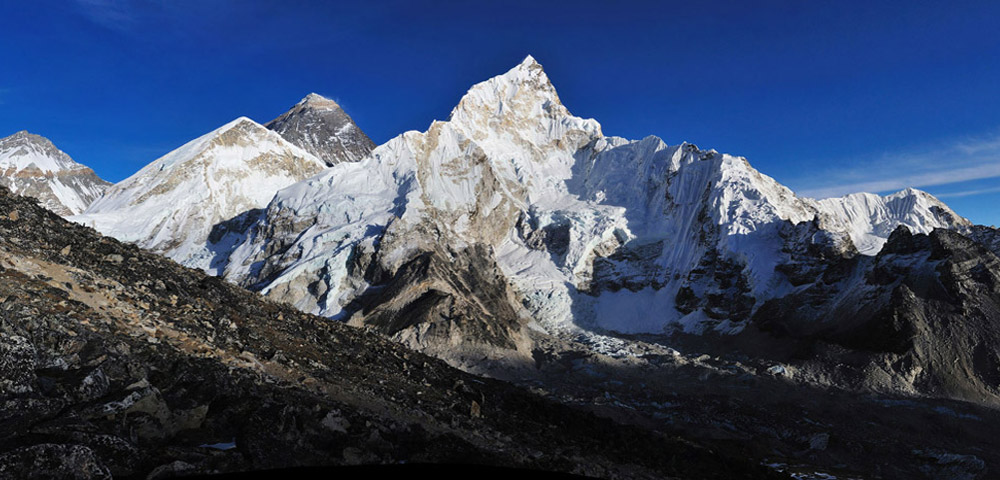
Is the Everest Base Camp Trek Open in 2026 After the Flood?
Short answer: yes, fully open, with zero disruption tied to either of this year’s flood events. Solukhumbu district, where the entire EBC route sits, is in a completely different river system from both floods that made headlines in 2026. Here’s the geography that backs that up, not just a reassurance.
Two Floods Hit Nepal in 2026 — Neither Was Anywhere Near Everest
If you’ve been searching “Nepal flood trekking safety” before booking EBC, you’ve likely run into news about two unrelated events. Worth separating them so you know exactly why neither applies here.
The August 26 Rasuwa Flash Flood
A glacial collapse on the Tibetan side of the border sent a debris flow into the Bhote Koshi River, which surged down the Trishuli River corridor north of Kathmandu, devastating Rasuwa, Nuwakot, Dhading, and parts of Gorkha and Chitwan. The death toll continued climbing through early September, later confirmed above 460 with well over a thousand injured. This river system drains the mountains northwest of Kathmandu — nowhere near the Dudh Koshi valley that carries the entire EBC trail. TAAN and the Nepal Tourism Board both confirmed the Everest region as unaffected in their post-flood assessments.
The July 13 Kimrung Khola / Ghandruk Flood
A separate, smaller monsoon flood hit the Kimrung Khola near Ghandruk in Kaski district, over 200 kilometers west of the Khumbu, damaging a road that serves the Annapurna Base Camp trek’s southern approach. It has no geographic connection to Everest region access at all — different airport, different valley, different mountain range entirely.
Why Distance Actually Matters Here
Everest Base Camp sits in Solukhumbu district, reached by flying into Lukla and walking up the Dudh Koshi valley. That valley drains from the Everest massif itself, a separate watershed from both the Trishuli/Bhote Koshi system in the north-central hills and the Modi Khola system near Pokhara in the west. A flood event needs to share a river system or a road corridor with a trek to actually threaten it — EBC shares neither with either 2026 flood.
EBC Trail and Flight Status, Segment by Segment
| Segment | Status | Notes |
| Kathmandu → Lukla (flight) | Open, normal | Flying direct from Kathmandu this month, not diverted through Ramechhap — that diversion only applies in the busier March–May and October–November windows. Unrelated to either flood. |
| Lukla → Phakding → Namche Bazaar | Open, normal | No reported damage. Standard trail and teahouse operations. |
| Namche Bazaar → Tengboche → Dingboche | Open, normal | No flood impact at any point on this stretch. |
| Dingboche → Lobuche → Gorak Shep → EBC | Open, normal | No flood impact. Weather-dependent visibility only, as always at this altitude. |
| Kala Patthar side trip | Open, normal | Unaffected. Standard early-morning weather window applies. |
What Actually Affects an EBC Trek Right Now
Nothing flood-related. The ordinary considerations for this route in September and into the autumn season are the same ones every year:
- Lukla flight weather delays — the single biggest source of itinerary disruption on this trek, entirely normal and unrelated to either flood. Build 1–2 buffer days into any EBC schedule.
- Altitude gain — EBC climbs to 5,364m with Kala Patthar reaching higher still. Standard acclimatization days at Namche and Dingboche matter regardless of anything happening elsewhere in the country.
- Early autumn trail conditions below Namche — some residual monsoon moisture is possible through late September, same as most years.
FAQ
Is Everest Base Camp trek open in 2026?
Yes. The full route from Lukla to EBC and Kala Patthar is operating normally, with no closures or damage tied to either of this year’s flood events.
Did the August Rasuwa flood affect Lukla flights or the EBC trail?
No. That flood hit the Trishuli and Bhote Koshi river corridors north of Kathmandu, an entirely separate watershed from the Dudh Koshi valley that carries the EBC route.
Are Kathmandu to Lukla flights running normally?
Yes. As of this update, flights operate directly from Kathmandu rather than the Ramechhap diversion used during the busiest spring and autumn peak weeks. Normal weather-related delays still apply, as they do every season.
Is the Everest region affected by the Ghandruk flood near Annapurna?
No. That flood affected a road near Pokhara, over 200 kilometers from the Khumbu, with no shared infrastructure or geography with the EBC route.
Should I change my EBC booking because of this year’s floods?
No. Nothing about the EBC trek’s safety or accessibility has changed because of either 2026 flood. Plan around the trek’s normal considerations — altitude, acclimatization, and Lukla flight weather — as you would in any year.
Everest Base Camp is running exactly as it does every autumn — clear skies, full teahouse operations, and zero exposure to either flood that made headlines this year. If you’re comparing routes, our Annapurna Base Camp Trek safety update and Mardi Himal Trek safety update cover the two treks near Pokhara with the most search traffic on this topic, and our Nepal trekking safety update breaks down every trekking region after this year’s floods. For current Lukla flight and weather conditions, GetawayNepal and Nepal Tours both track daily updates worth cross-checking closer to departure. For a route built around your dates, talk to our team directly.
This article reflects information available as of September 14, 2026. Confirm current Lukla flight schedules and trail conditions with your operator before departure.
Recent Posts