Tsum Valley Meditation Trek
A Himalayan Meditation Trek for Inner Peace and Transformation
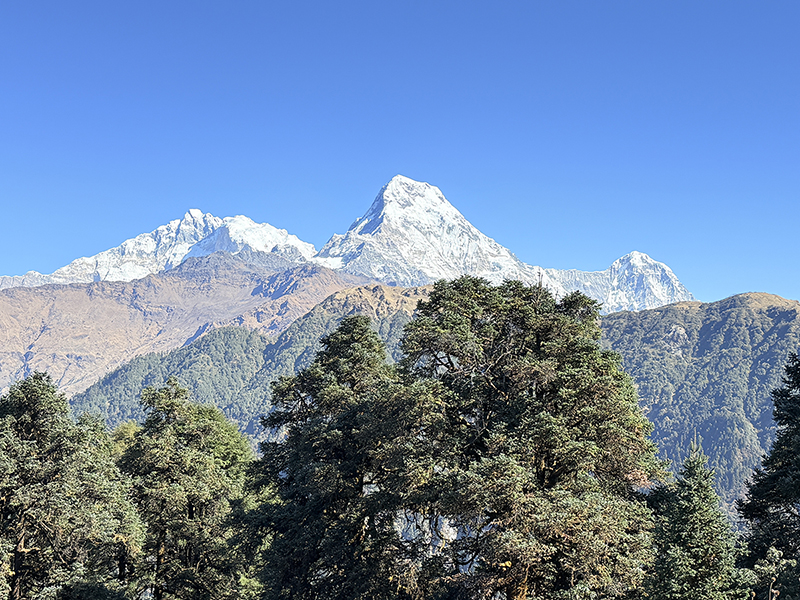
The Tsum Valley Meditation Trek is not just a journey through the Himalayas; it is a rare opportunity to step into silence, simplicity, and deep inner awareness. Hidden in the northern reaches of Nepal near the Tibetan border, Tsum Valley offers one of the most spiritually immersive trekking experiences in the Himalayas. Known as the “Valley of Happiness,” this sacred land is ideal for travelers seeking a meditation trek that blends nature, Buddhist culture, and mindful living.
Unlike busy trekking routes, the Tsum Valley Trek invites you to slow down, walk consciously, breathe deeply, and reconnect with yourself amid pristine mountain landscapes and ancient monasteries. It is a perfect choice for those looking to combine trekking with meditation, reflection, and retreat-style experiences.
Tsum Valley Trek at a Glance
| Location | Tsum Valley, Manaslu Conservation Area, Gorkha District |
| Duration | 12-14 days (Kathmandu to Kathmandu) |
| Maximum Altitude | Mu Gompa, approximately 3,700 m |
| Difficulty | Moderate |
| Trekking Style | Teahouse and monastery guesthouse |
| Best Season | Spring (Mar-May) and Autumn (Sep-Nov) |
| Permits Required | Tsum RAP, MCAP, Chumnubri Municipality fee |
| Guide Requirement | Mandatory, minimum group of two (confirm current rule) |
| Trailhead | Machha Khola (road access from Kathmandu) |
| 2026 Estimated Cost | USD 900-1,500 per person, standard package |
The Tsum Valley Meditation Trek is not just a journey through the Himalayas. It is a rare opportunity to step into silence, simplicity and deep inner awareness. Hidden in the northern reaches of Gorkha District near the Tibetan border, Tsum Valley was closed to outsiders until 2008, and its isolation has preserved a spiritual atmosphere that few Himalayan routes can match. Locals call it the Valley of Happiness, and it remains one of the most meaningful additions to any Trekking in Manaslu Region itinerary.
Unlike busier trekking routes, the Tsum Valley Trek invites you to slow down, walk consciously, breathe deeply and reconnect with yourself amid pristine mountain landscapes and centuries-old monasteries. It suits travelers who want to combine trekking with meditation, reflection and retreat-style pacing rather than a race toward a high pass. If you’re weighing this against the region’s more physically demanding option, our Manaslu Circuit Trek guide breaks down that route in full and explains how the two can be combined into a single extended trip.
What Makes Tsum Valley a Sacred Himalayan Sanctuary
Tsum Valley has remained spiritually protected for centuries. The region follows Tibetan Buddhism, and violence, hunting and animal slaughter are traditionally prohibited across the valley. That prohibition shapes the atmosphere in a way you notice almost immediately after entering: the trail feels genuinely undisturbed, not staged for visitors.
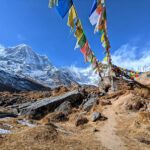
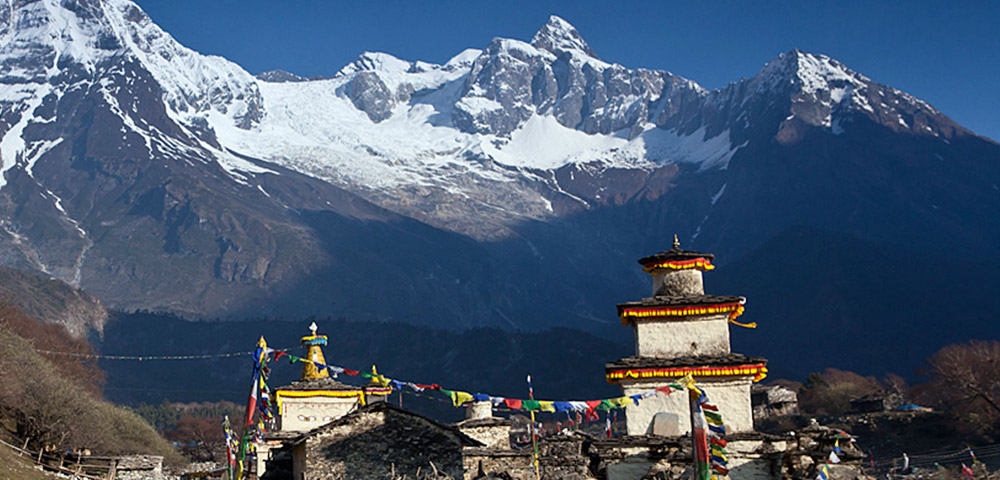
The route is lined with mani walls, chortens, prayer flags and monasteries that have stood for hundreds of years, all set against the Ganesh Himal range. Villages like Chumling, Chhokangparo and Nile reflect a way of life built around compassion, mindfulness and devotion rather than tourism infrastructure. The remoteness naturally quiets the mind, which is exactly what makes this trail work as a meditation trek rather than just scenic walking.
Permits and Cost for the Tsum Valley Trek
Tsum Valley sits inside a government-restricted zone, which means permits can only be arranged through a registered trekking agency in Nepal and independent acquisition isn’t possible. Three permits are required.
- Tsum Valley Restricted Area Permit (RAP): USD 40 for the first 7 days in peak season (September to November), USD 30 for the first 7 days off-season (December to August), plus USD 7 per additional day.
- Manaslu Conservation Area Permit (MCAP): approximately NPR 3,000 (USD 22-25) per person.
- Chumnubri Rural Municipality Fee: approximately NPR 1,000, collected at trail checkpoints for local community development.
Total permit costs for a standard 12 to 14 day itinerary run roughly USD 80 to 100 per person. A licensed guide is mandatory for the entire restricted area, and Nepal’s regulations also require a minimum group size of two trekkers for Tsum Valley, though this rule is periodically reviewed alongside similar requirements for Manaslu, so confirm the current status with your operator before booking.
A fully organized 12 to 14 day package, including permits, guide, porter, teahouse accommodation and meals, typically runs USD 900 to 1,500 per person depending on group size and season. Because Tsum Valley has fewer teahouses and less trail traffic than the main Manaslu Circuit, per-day costs run slightly higher than more commercial routes.
Difficulty and Altitude on the Tsum Valley Trek
Tsum Valley is rated moderate. The maximum altitude, roughly 3,700m at Mu Gompa, is considerably lower than the Manaslu Circuit’s 5,106m Larkya La Pass, which makes this trek accessible to a wider range of fitness levels and a genuinely good option for trekkers who want serious mountain immersion without extreme altitude exposure.
That said, it is not an easy walk. Daily trekking runs five to seven hours across uneven forest trail, stone steps and the occasional steep ascent, spread over 12 to 14 consecutive days. A reasonable base level of hiking fitness, built over a few months of regular walking or cardio, is enough preparation for most trekkers. Altitude sickness risk is lower here than on high-pass routes but not zero, so the itinerary above still builds in a dedicated acclimatization day at Mu Gompa.
Why the Tsum Valley Trek Works as a Meditation Journey
The trek is suited to meditation because the pace and terrain support presence rather than performance. Daily distances are manageable, crowds are minimal, and the environment does most of the work of quieting the mind before you’ve consciously tried.
- Low trekking pressure and genuinely few other trekkers on the trail
- Long stretches of natural silence between villages
- Sacred Buddhist atmosphere carried through the entire valley
- Minimal digital distraction, since mobile signal is unreliable past Lokpa
- A trail built for slow, mindful walking rather than distance targets
Unlike physically extreme treks built around reaching a high pass, the focus here sits on something closer to inner elevation: clarity, calm and sustained awareness across two weeks of walking.
Meditation & Mindfulness Experiences on the Trail
A retreat-style Tsum Valley meditation trek allows travelers to naturally integrate mindfulness practices into each day. Meditation is not forced; it arises organically from the environment.
Common meditation experiences during the trek include:
Walking Meditation
Mindful walking along forest paths and river valleys helps synchronize breath and movement. Each step becomes a meditation.
Breath Awareness in Nature
Morning and evening breathing sessions with views of snow-capped peaks create deep grounding and emotional balance.
Silent Mornings
Starting the day in silence enhances awareness and presence before trekking begins.
Monastery Meditation Sessions
Some itineraries allow time to meditate in or near monasteries such as Mu Gompa, offering a rare spiritual experience guided by Buddhist surroundings.
These practices make the Tsum Valley Trek feel like a moving meditation retreat rather than a standard trekking holiday.
Daily Life on the Trail
Days follow a deliberately gentle rhythm: early mornings with mountain light, quiet tea before departure, slow trekking with frequent pauses, simple meals, and unstructured afternoons for rest, journaling or reflection. The absence of luxury becomes its own kind of luxury. Stripped of the usual noise and choice overload, most trekkers find the simplicity resets mental patterns faster than expected.
Buddhist Culture and Spiritual Encounters
Monasteries, prayer wheels and chanting monks are part of everyday life along this trail, not a staged cultural stop. Interactions with monks and villagers tend to be gentle and genuine. Ask before photographing people, pass mani walls and chortens on your left as tradition requires, and let your guide explain local ritual as it happens rather than treating it as background scenery. That respect is what turns the trek from sightseeing into something closer to real exchange.
Who the Tsum Valley Meditation Trek Is Right For
- Meditation and mindfulness practitioners
- Yoga teachers and retreat organizers scouting a Himalayan program
- Spiritual seekers and conscious travelers
- Anyone recovering from burnout or seeking a genuine digital detox
- Trekkers who want meaning and cultural depth over altitude and distance
- First-time Himalayan trekkers who want serious mountain immersion at a moderate difficulty level
No prior meditation experience is required, just openness and respect for the journey. If a slower, retreat-style pace appeals to you beyond this one trek, our Nepal Yoga Trek programs follow a similar philosophy across other regions.
Best Time for the Tsum Valley Trek
Spring (March to May) brings mild weather, blooming rhododendron forest in the lower valley, and clear mountain views. Autumn (September to November) offers the most stable weather and the crispest visibility of the year. Both seasons suit walking meditation and monastery visits equally well. Winter is possible at lower altitudes but Mu Gompa gets cold enough to limit comfort, and monsoon season (June to August) brings landslide risk and heavy cloud cover that obscures most mountain views.
Responsible Travel in Tsum Valley
Choosing this trek supports local livelihoods directly. Lodges, guides, porters and food supplies are almost entirely community-based, and permit fees fund conservation and municipal development in one of Nepal’s least commercialized regions. Trekking mindfully here, respecting monastery etiquette, minimizing waste, supporting local guesthouses over imported alternatives, helps preserve both the cultural traditions and the fragile Himalayan ecosystem that make the valley worth visiting in the first place.
Frequently Asked Questions
How many days does the Tsum Valley Trek take?
A standard itinerary runs 12 to 14 days from Kathmandu to Kathmandu. It can be shortened for fit trekkers or extended toward Gumba Lungdang, or combined with the Manaslu Circuit for a 20 to 25 day trip.
How difficult is the Tsum Valley Trek?
Moderate. Daily walks run five to seven hours, and the maximum altitude at Mu Gompa is about 3,700m, well below the altitude of high-pass treks like Manaslu or Annapurna.
What permits do I need for Tsum Valley?
A Tsum Valley Restricted Area Permit, a Manaslu Conservation Area Permit, and a Chumnubri Rural Municipality fee. All three are arranged through a registered trekking agency.
Do I need meditation experience to do this trek?
No. The trek is designed to introduce mindfulness naturally through pace, silence and setting. No prior practice is required.
Can I combine Tsum Valley with the Manaslu Circuit?
Yes. Many trekkers extend the route from Lokpa back onto the main Manaslu trail and continue over Larkya La Pass, turning the trip into a 20 to 25 day Himalayan circuit.
Is Tsum Valley safe for solo travelers?
A licensed guide is mandatory for the entire restricted area, and current regulations require a minimum group of two trekkers, so solo travelers need to confirm arrangements with their agency before booking.
A Journey Inward Through the Himalayas
The Tsum Valley Trek stands apart as one of Nepal’s most spiritually rewarding routes. As a meditation trek, it offers space to breathe, reflect and reconnect with what matters, set against monasteries and mountains that have shaped this valley for centuries. Ready to plan your dates and itinerary? Get in touch through our About Us page, or explore Remote Area Treks in Nepal for other trails that share this valley’s off-the-beaten-path character.
Recent Posts