Conscious Travel in Nepal
Experiencing the Himalayas with Awareness, Respect, and Meaning
Discover conscious travel in Nepal. Learn how to travel responsibly, mindfully, and meaningfully while respecting culture, nature, and local communities. Learn how to practice conscious and responsible travel in Nepal. Explore culture, nature, and communities with awareness and respect.
Nepal has always been more than a destination. It is a land where spirituality is woven into daily life, where mountains inspire humility, and where ancient cultures continue to thrive with quiet dignity. Yet, many travelers arrive in Nepal rushing from one highlight to another, collecting photos and ticking boxes, without truly connecting with the place or themselves.
Conscious travel in Nepal invites a different approach; one rooted in awareness, respect, and presence. It encourages travelers to slow down, travel responsibly, and engage with Nepal in a way that is meaningful for both visitors and local communities. When traveled consciously, Nepal becomes not just a holiday destination, but a journey that leaves a lasting inner impact.
What Is Conscious Travel?
Conscious travel is about how you travel, not just where you go. It means traveling with intention, awareness, and responsibility toward people, culture, and the environment.
At its core, conscious travel involves:
-
Being present in each moment
-
Respecting local traditions and lifestyles
-
Minimizing negative environmental impact
-
Supporting local communities
-
Traveling with curiosity rather than consumption
In Nepal, conscious travel aligns naturally with the country’s spiritual roots and slower rhythm of life.
Why Nepal Is an Ideal Destination for Conscious Travel
Nepal offers a unique environment where conscious and mindful travel feels natural rather than forced.
Deep Spiritual Heritage
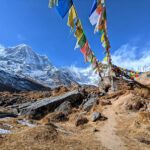
As the birthplace of Lord Buddha and a sacred land for Hinduism, Nepal is steeped in spiritual traditions. Temples, monasteries, prayer flags, and rituals are part of everyday life—not tourist performances.
Powerful Natural Landscapes
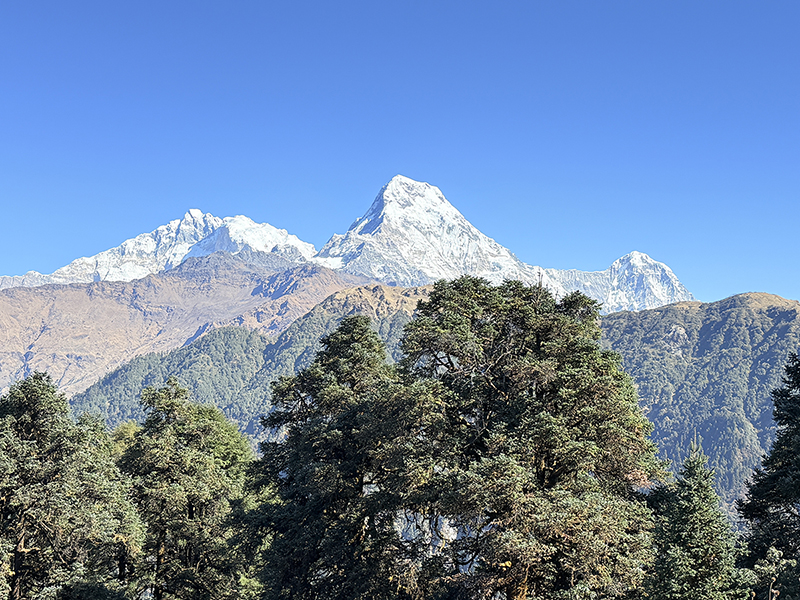
The Himalayas have a way of quieting the mind. Whether trekking in the mountains, walking through forests, or sitting beside a river, nature in Nepal encourages reflection and presence.
Living Culture and Community
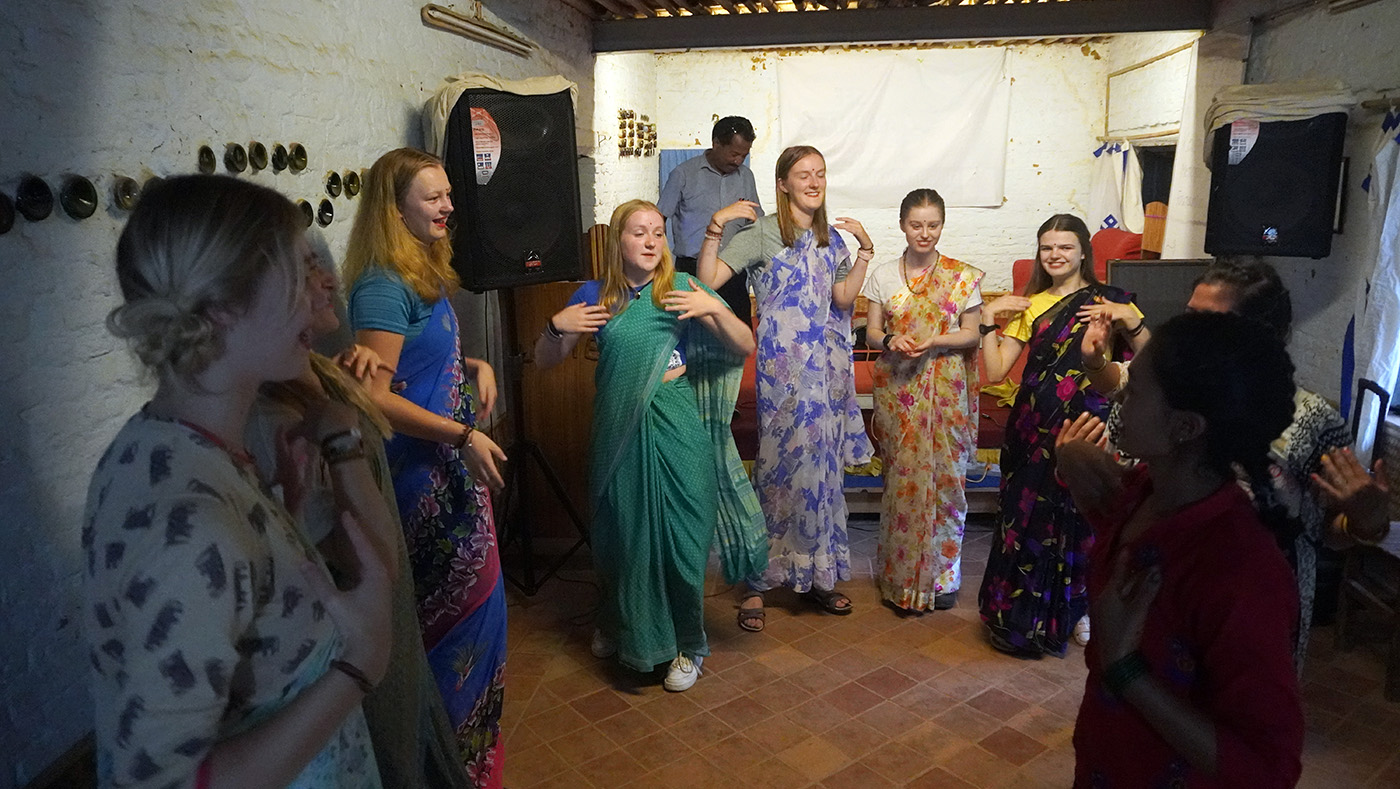
Nepalese communities value hospitality, humility, and simplicity. Conscious travelers who engage respectfully often find deeper connections with local people than expected.
Common Mistakes Travelers Make in Nepal
Many travelers unintentionally disconnect from Nepal’s deeper experience by:
-
Rushing through itineraries
-
Spending most of their time on phones and cameras
-
Treating sacred places as photo locations
-
Ignoring local customs and etiquette
-
Consuming without contributing
Conscious travel in Nepal begins by recognizing these habits and choosing a more thoughtful approach.
Practical Ways to Practice Conscious Travel in Nepal
1. Slow Down and Travel Less, Experience More
Instead of trying to see everything, choose fewer destinations and stay longer. Time allows connection—whether with a place, a person, or yourself.
2. Be Present, Not Just Observant
Put the phone away regularly. Listen to temple bells, village sounds, and mountain winds. Presence transforms ordinary moments into meaningful experiences.
3. Respect Culture and Religion
Dress modestly at temples, walk clockwise around stupas, remove shoes when required, and observe rituals quietly. Respect deepens understanding.
4. Support Local Communities
Choose locally owned hotels, guides, restaurants, and transport. Conscious travel strengthens local economies and preserves traditions.
5. Travel with Environmental Awareness
Reduce plastic use, carry reusable bottles, respect wildlife, and leave no trace—especially while trekking.
Conscious Trekking in Nepal
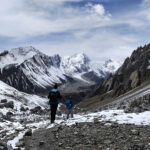
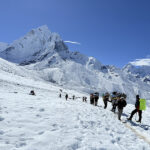
Trekking is one of the most powerful forms of conscious travel in Nepal when done mindfully.
Instead of focusing only on reaching destinations:
-
Walk with steady awareness
-
Observe changes in landscape and altitude
-
Respect porters and guides as equal partners
-
Acknowledge the effort of mountain communities
Mindful trekking turns the journey itself into the experience—not just the viewpoint at the end.
Conscious Experiences in Cities and Villages
Conscious travel is not limited to mountains. In cities like Kathmandu, Bhaktapur, and Patan:
-
Walk slowly through old neighborhoods
-
Observe daily rituals and crafts
-
Visit heritage sites with patience and curiosity
In villages, conscious travel often means doing less:
-
Sharing tea with locals
-
Watching daily routines
-
Listening more than speaking
These moments often become the most memorable.
Responsible and Ethical Travel in Nepal
Conscious travel in Nepal is closely connected to responsible tourism. Travelers should aim to:
-
Avoid exploitative experiences
-
Respect human dignity
-
Choose ethical trekking and tour operators
-
Learn about local challenges and realities
Responsible travel ensures that tourism benefits Nepal long after travelers return home.
How Conscious Travel Transforms Your Journey
Travelers who practice conscious travel often describe Nepal as life-changing—not because of luxury or excitement, but because of inner clarity and connection.
Conscious travel in Nepal:
-
Reduces stress and mental overload
-
Deepens cultural understanding
-
Creates authentic memories
-
Encourages gratitude and humility
-
Leaves a positive impact on local communities
When awareness guides your journey, travel becomes a form of personal growth.
Conscious Travel and Choosing the Right Travel Agency
A conscious journey begins with thoughtful planning. Choosing a responsible and experienced local travel agency helps ensure:
-
Ethical trekking and tours
-
Fair treatment of guides and staff
-
Respect for culture and environment
-
Well-paced, meaningful itineraries
A professional Nepal-based travel agency understands local realities and can design experiences that support conscious travel values.
Conclusion: Traveling Nepal with Awareness and Purpose
Nepal does not need to be consumed, it needs to be experienced. Conscious travel in Nepal is an invitation to slow down, open your awareness, and travel with respect for a land that has preserved its spiritual essence for centuries.
When you travel consciously, Nepal gives back more than memories. It offers perspective, stillness, and a deeper connection to the world and to yourself.
Travel gently. Travel respectfully. And allow Nepal to transform your journey into something truly meaningful.
Recent Posts