Holistic Trekking in Nepal
A Transformational Journey Beyond the Trail
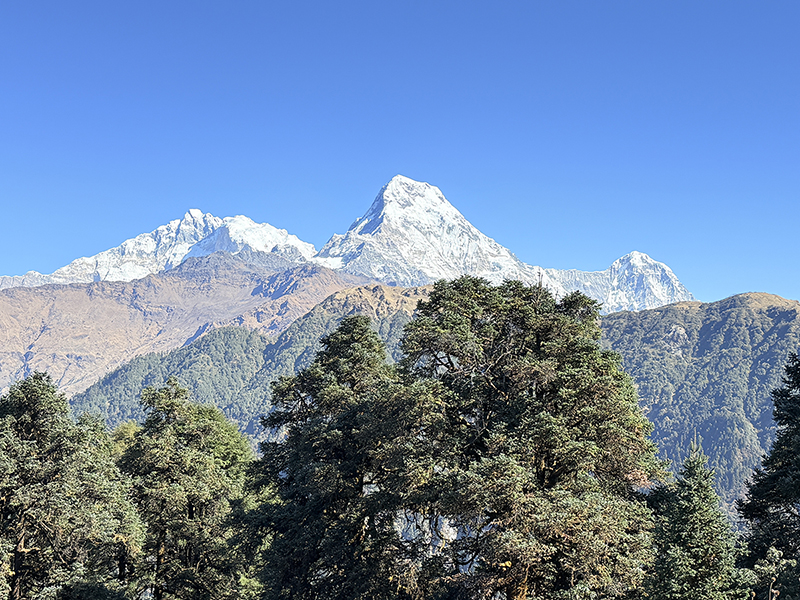
When most people think of trekking in Nepal, iconic routes like Everest Base Camp or the Annapurna Circuit often come to mind, journeys defined by altitude, endurance, and dramatic mountain views. Yet beyond these well-trodden paths lies another dimension of Himalayan travel: holistic trekking in Nepal.
Holistic trekking is not about conquering summits or rushing from teahouse to teahouse. It is about walking slowly through sacred landscapes, engaging with living Buddhist cultures, and allowing the rhythm of the mountains to shape both body and mind. For serious trekkers, spiritual travelers, and slow-travel enthusiasts, Nepal offers rare journeys where trekking becomes a transformational practice, not just an adventure.
This article explores holistic trekking in Nepal as a complete physical, mental, emotional, and spiritual experience—introducing profound routes such as Tsum Valley, Nar Phu Valley, and Lapchi Valley, and explaining why Nepal remains the global heartland of meaningful Himalayan journeys.
What Is Holistic Trekking in Nepal?
Holistic trekking in Nepal is an approach to mountain travel that integrates:
-
Physical movement through high-altitude landscapes
-
Mental clarity cultivated through silence, simplicity, and rhythm
-
Emotional grounding through cultural connection and human encounters
-
Spiritual awareness rooted in Buddhist philosophy and sacred geography
Unlike commercial trekking, holistic trekking is not measured by speed or checklist achievements. Instead, it values:
-
Slow walking and mindful presence
-
Time spent in monasteries, villages, and sacred sites
-
Respect for local customs and spiritual traditions
-
Deep engagement with place rather than surface-level sightseeing
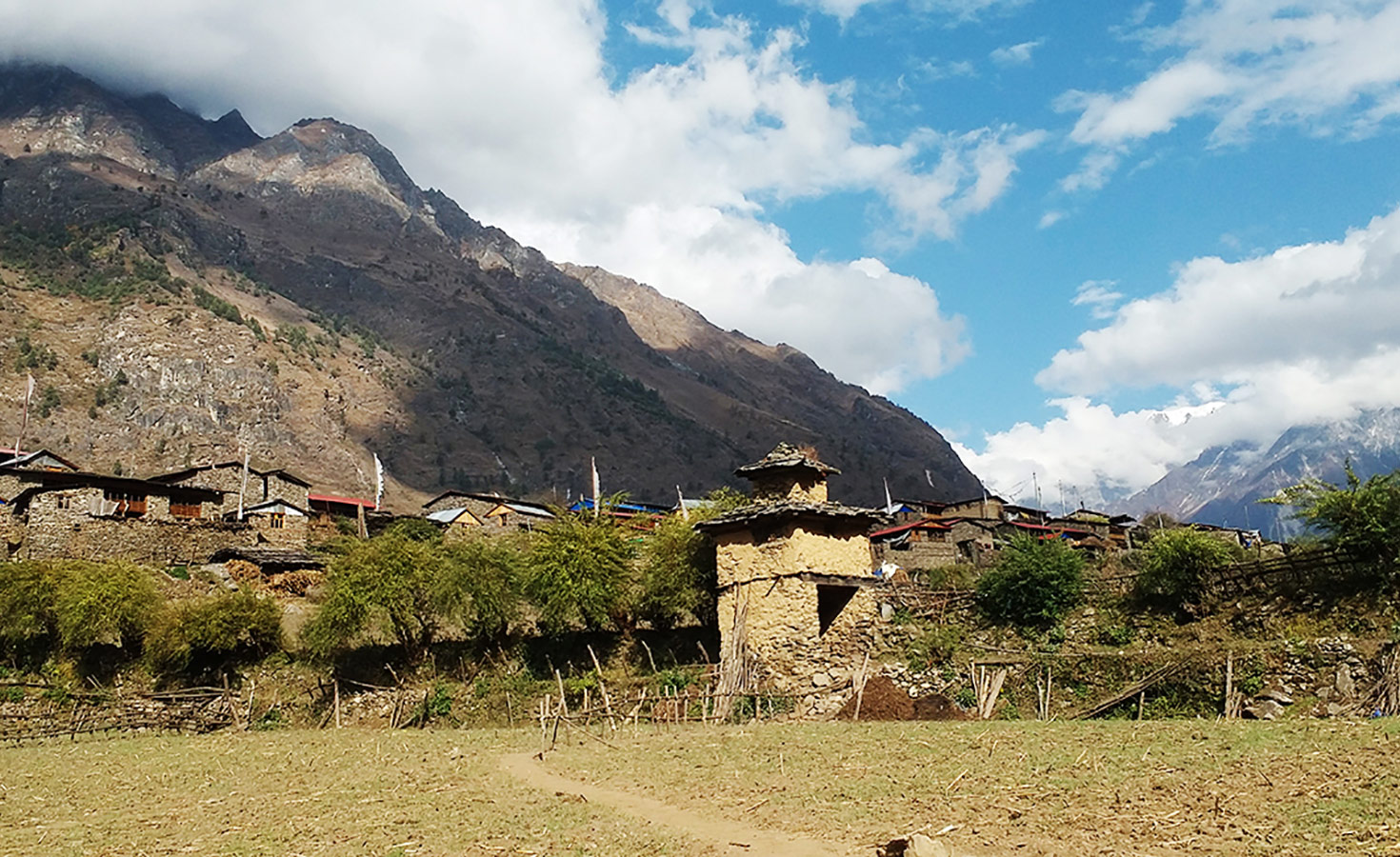
In Nepal, trekking routes often pass through living spiritual landscapes—valleys shaped by centuries of Buddhist practice, meditation caves, prayer wheels, mani walls, and monastic communities. Holistic trekking allows travelers to experience these places not as observers, but as temporary participants.
Why Nepal Is the Heartland of Holistic Trekking
Nepal’s unique position as the meeting point of the Himalayas, Tibetan Buddhism, and ancient trade routes makes it unmatched for holistic trekking experiences.
Several factors contribute to this depth:
Sacred Geography
Many Himalayan valleys are considered beyul—hidden spiritual lands blessed by Guru Rinpoche (Padmasambhava). These areas are believed to offer protection, insight, and spiritual renewal to those who enter with respect.
Living Buddhist Culture
Unlike destinations where spirituality is symbolic, in Nepal it is lived daily. Monks, nuns, farmers, and herders practice Buddhism as part of ordinary life, creating an environment where spiritual awareness feels natural rather than staged.
Slowness by Necessity
Remote Himalayan valleys require patience. Limited infrastructure, long walking days, and unpredictable weather naturally slow the pace, creating ideal conditions for reflection and presence.
Human-Scale Travel
Small villages, family-run teahouses, and local guides foster meaningful relationships—an essential element of holistic travel.
Holistic Trekking vs. Commercial Trekking
Commercial Trekking
-
Focused on destinations and altitude milestones
-
Often rushed itineraries
-
Standardized experiences
-
Limited cultural immersion
Holistic Trekking in Nepal
-
Focused on the journey itself
-
Slow, intentional pacing
-
Deep cultural and spiritual engagement
-
Emphasis on personal transformation
While both involve walking in the mountains, their intentions—and outcomes—are profoundly different.
Flagship Holistic Trekking Experiences in Nepal
Tsum Valley Trek: Walking Through a Sacred Beyul
The Tsum Valley Trek is one of Nepal’s most powerful holistic trekking experiences. Located near the Tibetan border, this remote valley has remained culturally intact for centuries.
Here, trekking becomes a meditative act:
-
Ancient monasteries such as Mu Gompa and Rachen Gompa anchor daily life
-
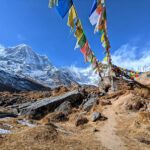
Mani walls and prayer flags line the trails
-
Polyandry, monastic traditions, and non-violence practices still shape society
The valley’s spiritual energy encourages introspection. Silence feels natural. Conversations feel meaningful. Walking through Tsum Valley is not about distance—it is about entering a sacred rhythm that gently reshapes perspective.
Nar Phu Valley Trek: Where Isolation Becomes Insight
Hidden behind the Annapurna massif, the Nar Phu Valley Trek offers a rare blend of stark landscapes and resilient culture. This is a trek for those drawn to rawness and authenticity.
Key aspects of its holistic nature include:
-
Medieval villages seemingly untouched by time
-
Strong Tibetan Buddhist traditions
-
High-altitude solitude that strips away distraction
Nar and Phu villages demand patience and humility. Long walking days and minimal comforts create space for mental clarity. For serious trekkers, this trek becomes a lesson in simplicity, endurance, and inner quiet.
Lapchi Valley Trek: Pilgrimage Into Silence
The Lapchi Valley Trek is perhaps the most spiritually intense trekking experience in Nepal. Known as one of the most sacred pilgrimage sites associated with Milarepa, the great Tibetan yogi, Lapchi is less a trek and more a spiritual pilgrimage.
Here, holistic trekking reaches its deepest expression:
-
Meditation caves and retreat centers replace teahouses
-
Silence becomes a teacher
-
Physical effort mirrors inner discipline
Lapchi is not for casual travelers. It is for those who understand trekking as a path of transformation, where walking itself becomes a contemplative practice.
The Transformation of the Trekker
Holistic trekking in Nepal transforms individuals on multiple levels:
Physical
The body adapts to altitude, rhythm, and endurance—building resilience without force.
Mental
Reduced digital exposure, silence, and repetition calm the mind, often leading to clarity and focus.
Emotional
Authentic human connections and cultural humility foster gratitude and emotional grounding.
Spiritual
Exposure to Buddhist philosophy, sacred spaces, and mindful walking often awakens deeper reflection on impermanence, compassion, and purpose.
Many trekkers return not just fitter, but changed in how they perceive life, effort, and meaning.
Responsible and Slow Travel Ethics
Holistic trekking is inseparable from responsible travel. In Nepal, this means:
-
Respecting local customs and religious practices
-
Supporting community-based tourism
-
Minimizing environmental impact
-
Choosing routes and itineraries that prioritize sustainability over volume
Slow travel is not a trend here—it is a necessity and a value. By moving slowly, trekkers protect fragile environments and honor the communities that host them.
Why Local Expertise Matters
True holistic trekking in Nepal cannot be experienced without local knowledge. Sacred sites, cultural nuances, seasonal rhythms, and spiritual contexts require guides who are deeply connected to the land.
Local experts:
-
Provide cultural interpretation beyond guidebooks
-
Ensure respectful access to sensitive areas
-
Create itineraries aligned with slow, meaningful travel
-
Bridge the gap between visitor and host community
This depth of understanding transforms a trek from a route into a relationship with place.
Connect With Local Experts – Getaway Nepal Adventure
For travelers seeking authentic holistic trekking in Nepal, working with experienced local professionals is essential. Getaway Nepal Adventure specializes in thoughtfully designed journeys that honor Himalayan culture, spirituality, and sustainability.
Whether you are drawn to the sacred silence of Lapchi Valley, the cultural richness of Tsum Valley, or the rugged introspection of Nar Phu, connecting with local experts ensures your trek becomes a true holistic experience, not just another itinerary.
Conclusion: Walking the Himalayas From the Inside Out
Holistic trekking in Nepal invites a different way of moving through the mountains—one that values depth over distance, presence over performance, and transformation over achievement.
In valleys shaped by Buddhist wisdom and Himalayan silence, trekking becomes more than travel. It becomes a practice of awareness, a dialogue with landscape, and a journey inward.
For serious trekkers ready to walk beyond the surface, Nepal remains one of the last places on Earth where the trail still leads not just forward—but deeper.
Recent Posts