Jugal Everest View Point Trek
Most people who search for an Everest View Trek end up on the same well worn trail to Namche Bazaar with hundreds of other trekkers, lodges booked weeks in advance, and a viewpoint shared with a dozen cameras. There is another option one that delivers the same Himalayan panorama, the same raw mountain atmosphere, and the same moment of standing in the high country with peaks above you in every direction without any of that. The Jugal Everest View Point Trek in the Sindhupalchok district sits just 140 kilometres northeast of Kathmandu, takes 8 to 10 days, and is walked by fewer than a few hundred trekkers each year. This guide tells you everything you need to know before you become one of them.
What is the Jugal Everest View Point Trek
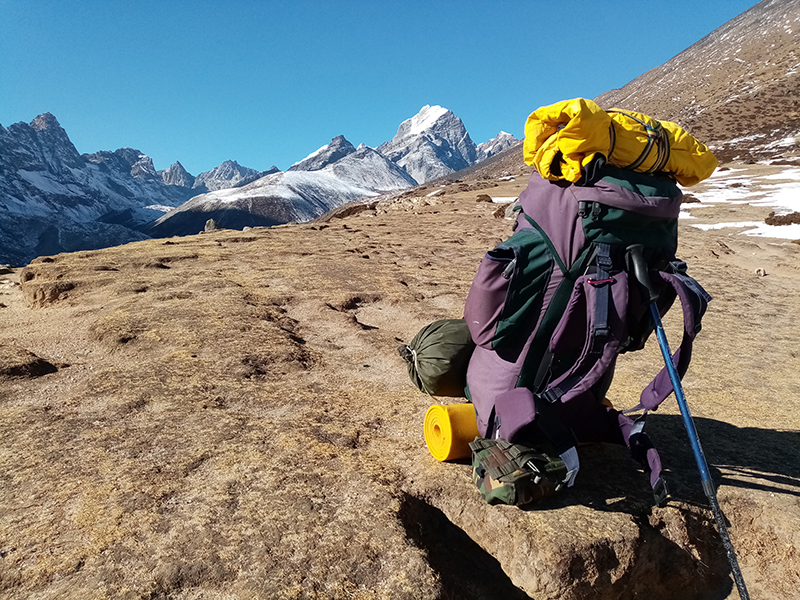
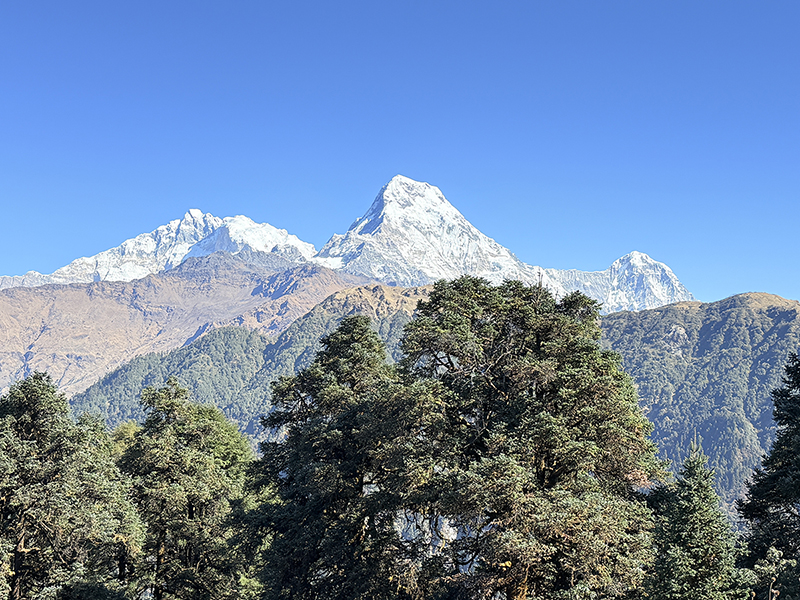
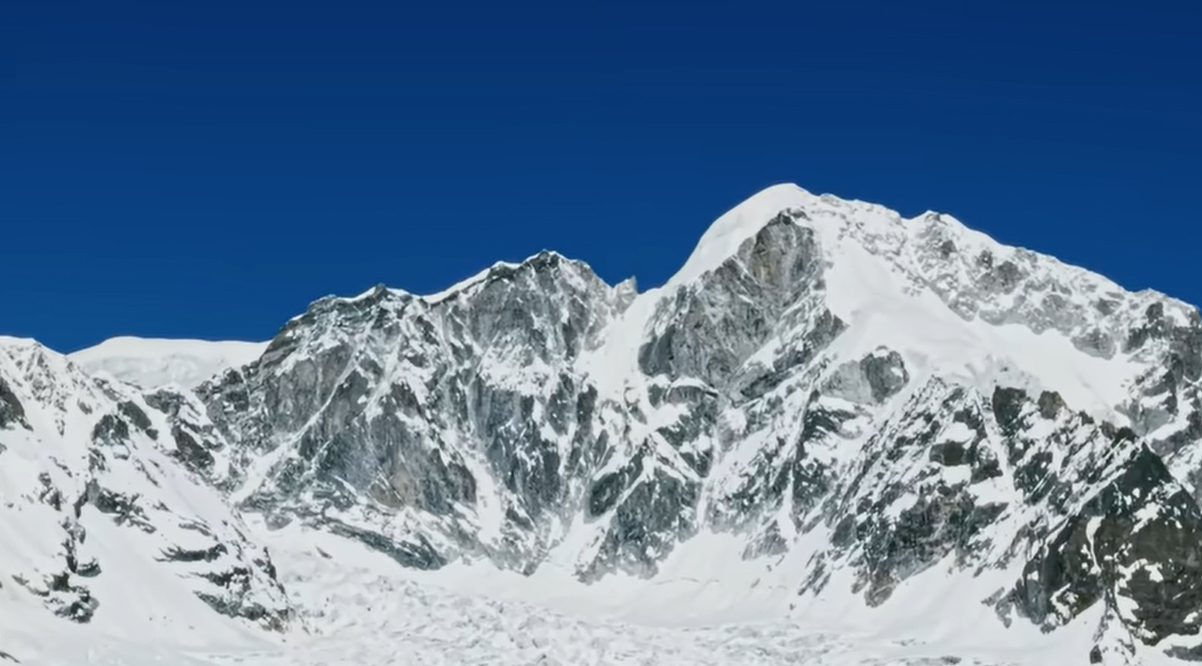
The Jugal Everest View Point Trek is an off the beaten path trekking route through the Jugal Himal range in Nepal’s Sindhupalchok district, rising from the subtropical river valleys of the Balefi and Indrawati corridors through dense rhododendron and pine forest, past ancient Tamang villages and sacred high altitude lakes, to viewpoints where the Himalayan chain including Everest, Dorje Lakpa (6,966m), Phurbi Chhyachu (6,637m), Gaurishankar, Langtang Lirung, and the peaks of the Rolwaling range spreads across the northern horizon in a panorama that most Nepal trekkers never get to see from this angle.
The route sits geographically between the Langtang and Rolwaling Himal ranges, tucked into a corner of Nepal that the mainstream trekking industry has largely passed by. Dorje Lakpa, the highest peak in the Jugal range at 6,966 meters, forms the backdrop. Behind the massif, just visible over the Tibetan border on clear days, the outline of Shishapangma, the world’s fourteenth highest mountain at 8,027 meters — appears above the ridgeline.
The trail passes through the sacred Panch Pokhari — five high altitude glacial lakes at approximately 4,100 meters that are revered in both Hindu and Buddhist traditions and visited by pilgrims from across Nepal during the Janai Purnima festival in August. The lakes sit in a high alpine bowl surrounded by snow peaks and reflect the sky in colours that shift from pale blue to deep green depending on the hour and the light.
This is a trek for those who want the Himalayas without the crowd. A route that rewards the choice to go somewhere slightly harder to reach with a quality of solitude and a depth of cultural encounter that the commercial trekking corridors of Everest and Annapurna simply cannot replicate.
The Jugal Himal Range
The Jugal Himal is a subrange of the central Himalayas forming part of the natural boundary between Nepal and Tibet. It lies northeast of the Langtang range and west of the Rolwaling Himal, and its peaks — Dorje Lakpa, Phurbi Chhyachu, Madiya (6,257m), and Jugal Himal itself (6,095m) — form a wall of ice and rock above the Sindhupalchok valleys that has been shaping the lives of the Tamang and Sherpa communities below it for centuries.
The range is visible from Kathmandu on clear days — a smudge of white above the northern horizon that most residents of the capital walk past without identifying. Up close, it is something else entirely.
Who Is This Trek For
The Jugal Everest View Point Trek is ideal for trekkers who have either already done the standard Everest or Annapurna routes and want something genuinely different, or those coming to Nepal for the first time specifically because they want to avoid the most commercial trails. It requires good physical fitness and a genuine appetite for remote trekking — this is not a tea house trek throughout and the trail infrastructure is considerably more basic than the Khumbu or Annapurna corridors. But for those who meet those criteria, it delivers an experience that most Nepal trekkers never access.
Why Choose Jugal Over Other Everest View Treks
This is the honest question and it deserves an honest answer. The standard Everest Panorama Trek from Lukla to Tengboche is an excellent route and the mountain views it delivers are genuinely extraordinary. But it shares its trail with thousands of trekkers each season, the tea houses at Namche and above are booked weeks in advance in October, and the quality of solitude — the feeling of being genuinely alone in a mountain landscape is difficult to find anywhere between Lukla and Tengboche in peak season.
The Jugal Everest View Point Trek begins an hour’s drive from Kathmandu rather than a flight to a mountain airstrip. It passes through Tamang villages that receive perhaps thirty foreign visitors in an entire year rather than three thousand in a week. The forest sections are genuinely wild rather than well worn. The sacred Panch Pokhari lakes exist in a high alpine setting that most people who visit Nepal never reach and that photographs never quite communicate accurately. And the mountain views — Everest visible in the distance, the Jugal peaks overhead, Gaurishankar to the east, Langtang to the west — are seen from an angle that the standard Everest trekking corridor simply cannot offer.
The trade-off is real: fewer tea houses, more camping, longer drives, and a trail that demands more self-sufficiency than the commercial routes. For those who consider those trade-offs features rather than drawbacks, the Jugal route is the better choice.
Outline Plan
Day 1 : Kathmandu – Chautara (1470m)
Day 2 : Chautara – Tembathang (2330m)
Day 3 : Tembathang – Dipu (2240m) – Chidakpu (2540 ) – Chhendang (2630)
Day 4 : Chhendang – Nimala (2700m) – Chachung Kharka (3000m) – Ganazi Khola (3130m) – Tongsokpa Cave (3400m) – Nepemacchal (3470m)
Stay: Nepemacchal
Day 5 : Nepemacchal – Bomba Sherpu (4130m)
Day 6 : Bomba Sherpu – Jugal Himal Base Camp (4500m)
Day 7 : Jugal Himal Base Camp – Chhendang
Day 8 – Chhendang – Kathmandu
Jugal Everest View Point Trek Cost
What Does the Trek Cost
The Jugal Everest View Point Trek costs between US$950 and US$1,750 per person for a fully organi5ed package, depending on group size, camping versus tea house preference, and service level.
What a Standard Package Includes
A fully organized Jugal Everest View Point Trek package from Getaway Nepal Adventure includes all ground transportation from Kathmandu and return, all accommodation throughout including tea houses in lower villages and full camping equipment in upper sections, three daily meals on trail, an experienced English speaking licensed trekking guide, porters, all permits, a comprehensive first aid kit, camping equipment including tents and cooking gear, and welcome and farewell dinners in Kathmandu.
What Costs Extra
International flights to Kathmandu, Nepal visa fee (US$50 for 30 days), personal travel insurance, alcoholic beverages, personal tips for guides and porters, any extra personal snacks, and emergency evacuation if required.
Best Time to Visit
Autumn — September to November
The best season without qualification. The monsoon ends in late September and the skies above the Jugal region clear quickly, delivering the sharp visibility and stable weather that high mountain photography and safe high altitude trekking both require. October is the peak month for trail conditions and mountain views — daytime temperatures are comfortable, nights are cold but manageable, and the Panch Pokhari lakes catch the post-monsoon clarity of the sky in colours that the monsoon months cannot produce.
Spring — March to May
A strong second season. The rhododendron forests below 3,500 metres bloom from late March through April in a succession of red and white and pink that transforms the lower trail into something considerably more colourful than the autumn version. Visibility is good through April before the pre-monsoon instability arrives in late May. The high lakes are free of ice by late April.
Winter — December to February
Cold, demanding, and genuinely quiet. Snow above 3,500 metres is consistent from December and the Panch Pokhari lakes freeze entirely. The trail is navigable for well prepared and experienced cold weather trekkers and the solitude at this season is absolute. Not recommended without extensive high altitude cold weather experience.
Monsoon — June to August
The Panch Pokhari pilgrimage season peaks in August during Janai Purnima — a fascinating cultural time to visit the sacred lakes if the heavy rainfall and slippery trails of monsoon trekking are manageable for you. The lower forest sections are lush and alive but the trail above 3,000 metres is wet and the views are frequently obscured by cloud. A specialist choice rather than a general recommendation.
Difficulty Level
The Jugal Everest View Point Trek is rated moderate to challenging. The maximum altitude of approximately 4,400 metres at the high viewpoint sits below the levels where serious altitude sickness becomes a significant statistical risk, but the combination of remote terrain, multi-day camping, limited trail infrastructure, and sustained daily walking hours of five to seven places this in a more demanding category than a standard tea house trek of similar altitude.
The primary challenges are the cumulative physical demand of twelve days of trekking with camping sections, the remoteness of the upper route where emergency evacuation would be significantly more complicated than on the commercial trekking corridors, and the higher self-sufficiency required when the trail moves beyond the tea house sections.
Previous trekking experience is genuinely useful here rather than merely helpful. Cardiovascular fitness preparation of six to eight weeks minimum before departure is recommended. A history of high altitude trekking at similar or greater elevations reduces risk.
Permits Required
TIMS Card (Trekkers Information Management System): NPR 2,000 (approximately US$15). Available at Nepal Tourism Board offices in Kathmandu.
Sindhupalchok District Trekking Permit: NPR 2,000 (approximately US$15). Arranged through a licensed trekking operator or at district offices.
Panch Pokhari Conservation Area Entry: NPR 1,000 (approximately US$8). Collected at the area checkpoint on the trail.
All permits are handled by Getaway Nepal Adventure as part of the organised package. Carry all documents throughout the trek as they are checked at multiple points.
Recent Posts